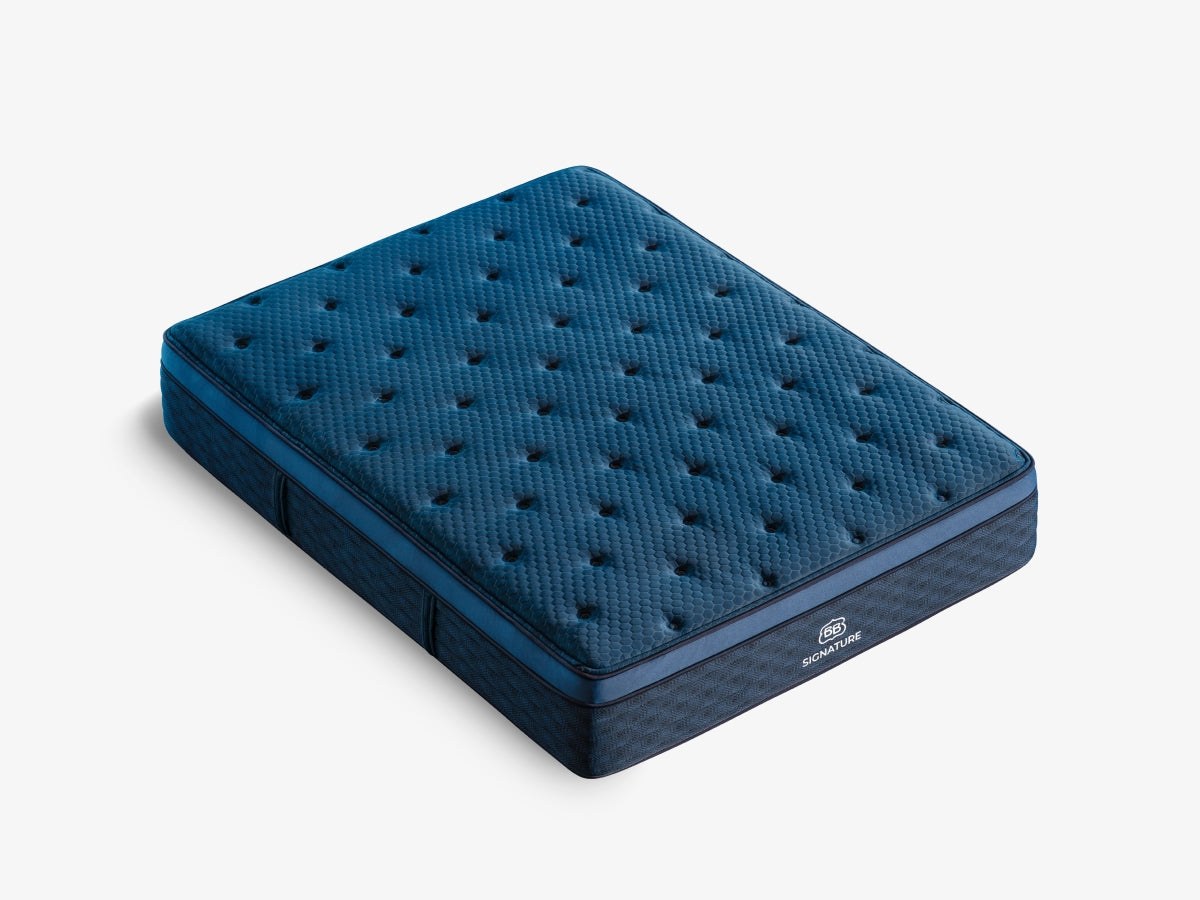
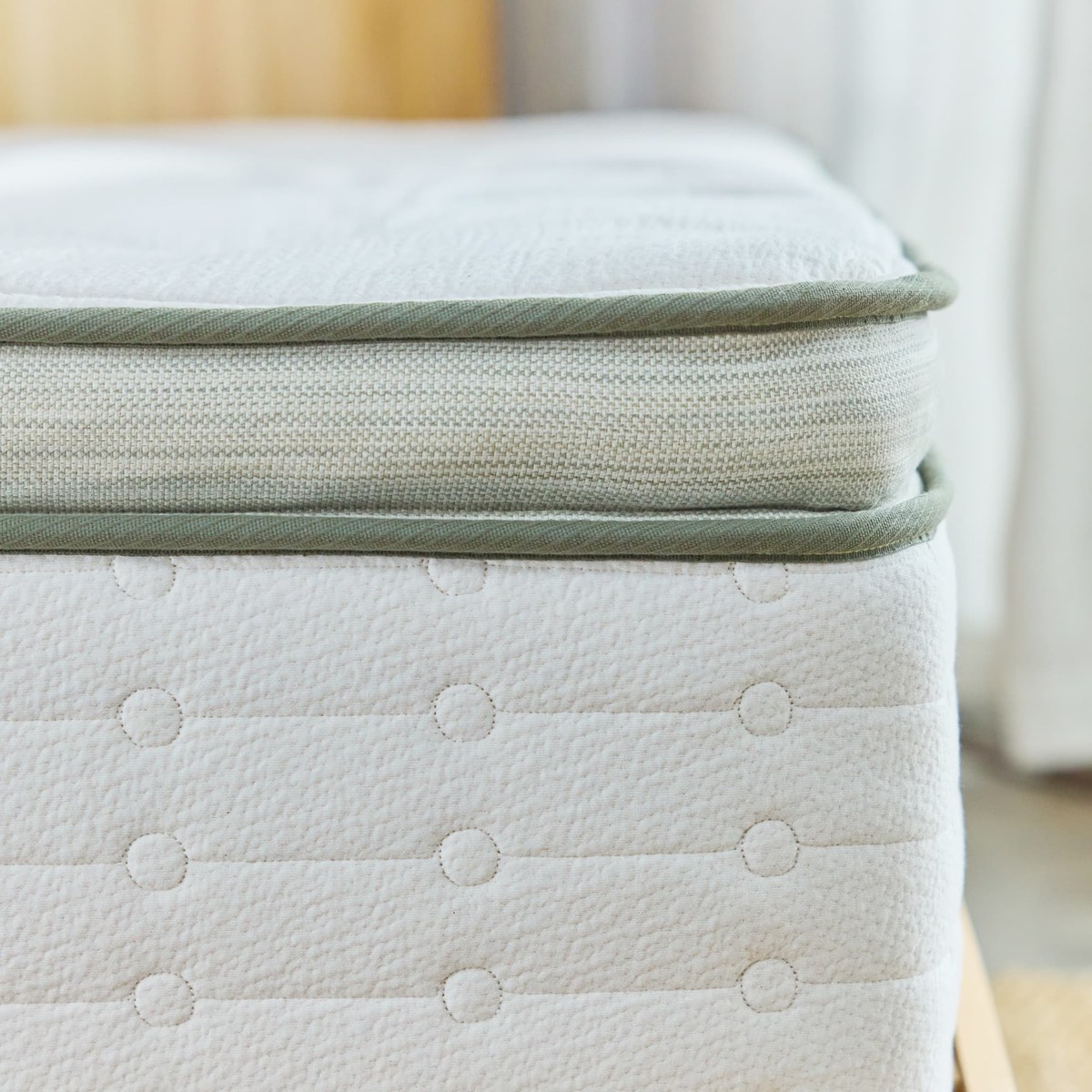
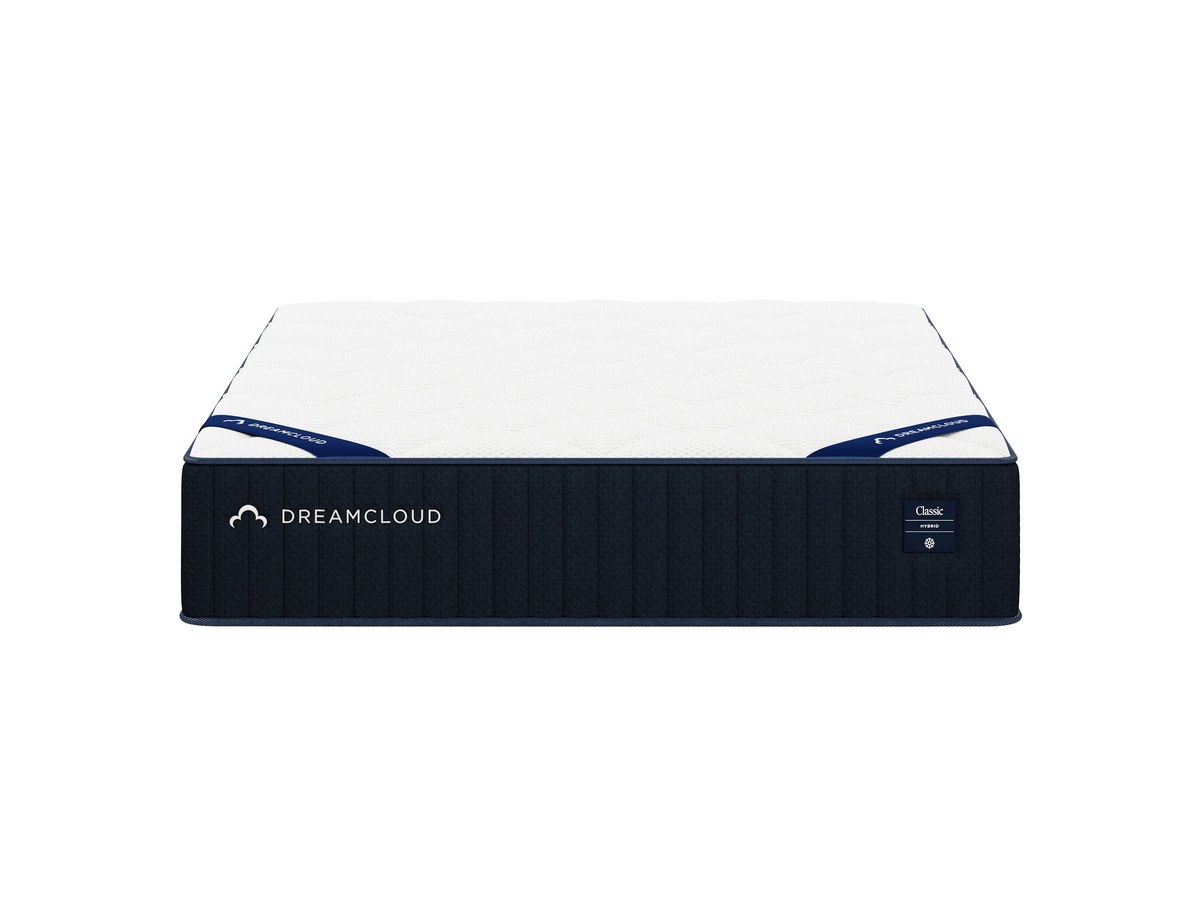
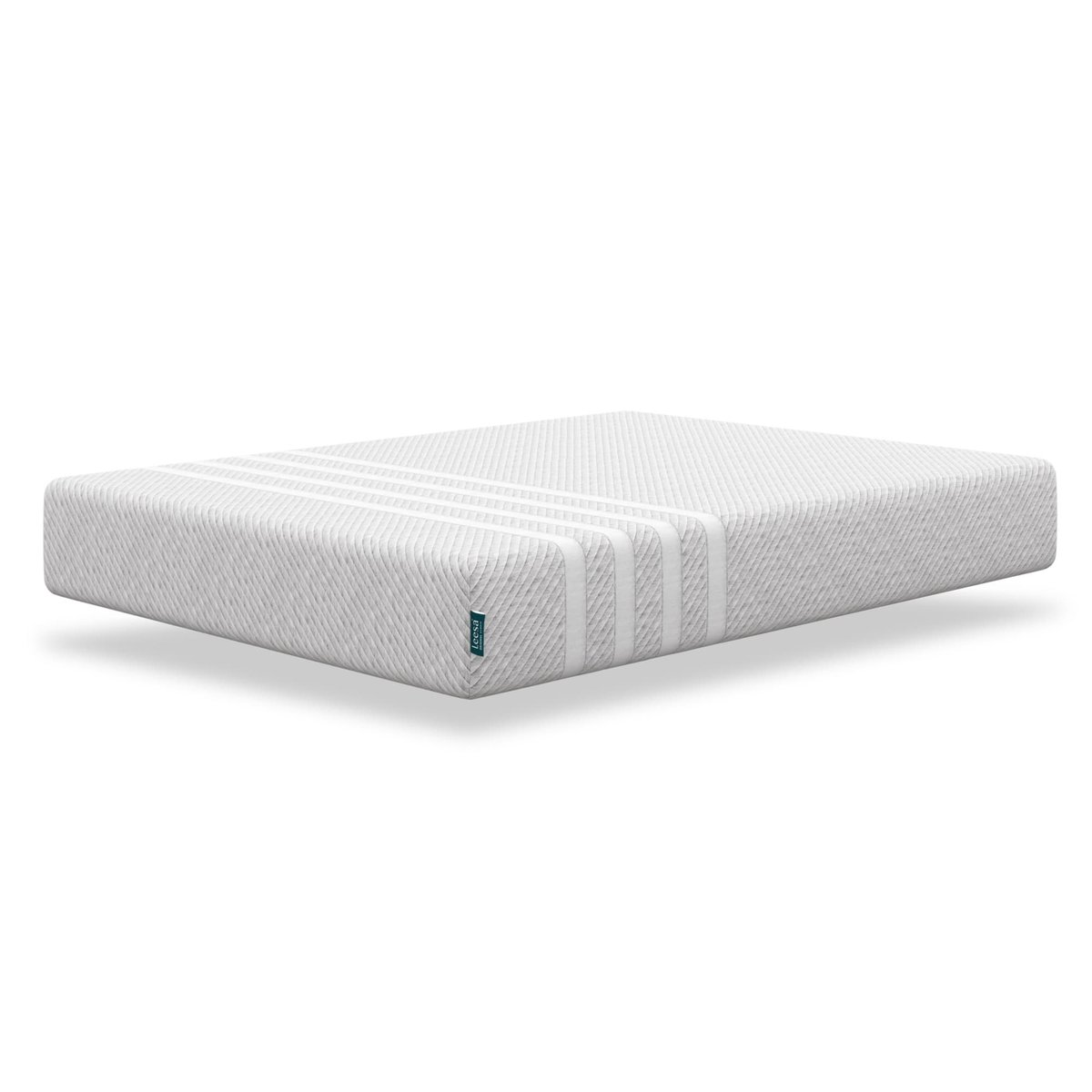
The verdict
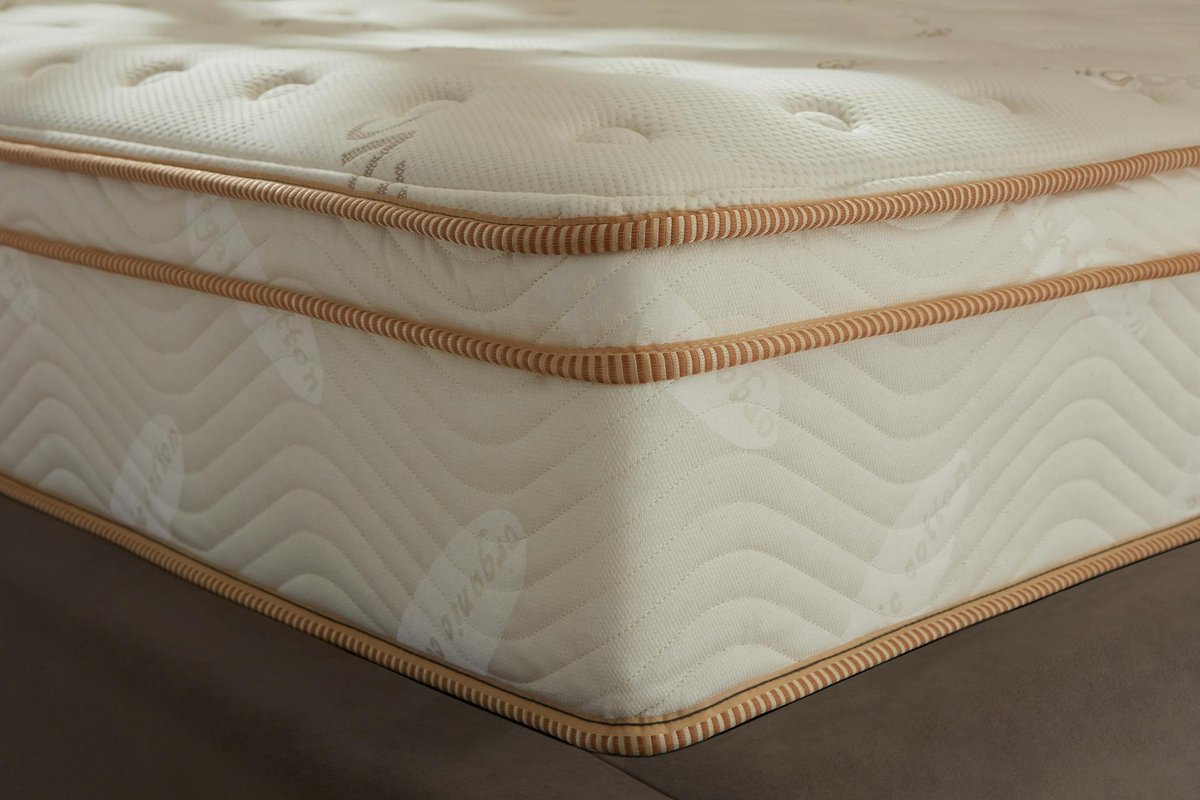
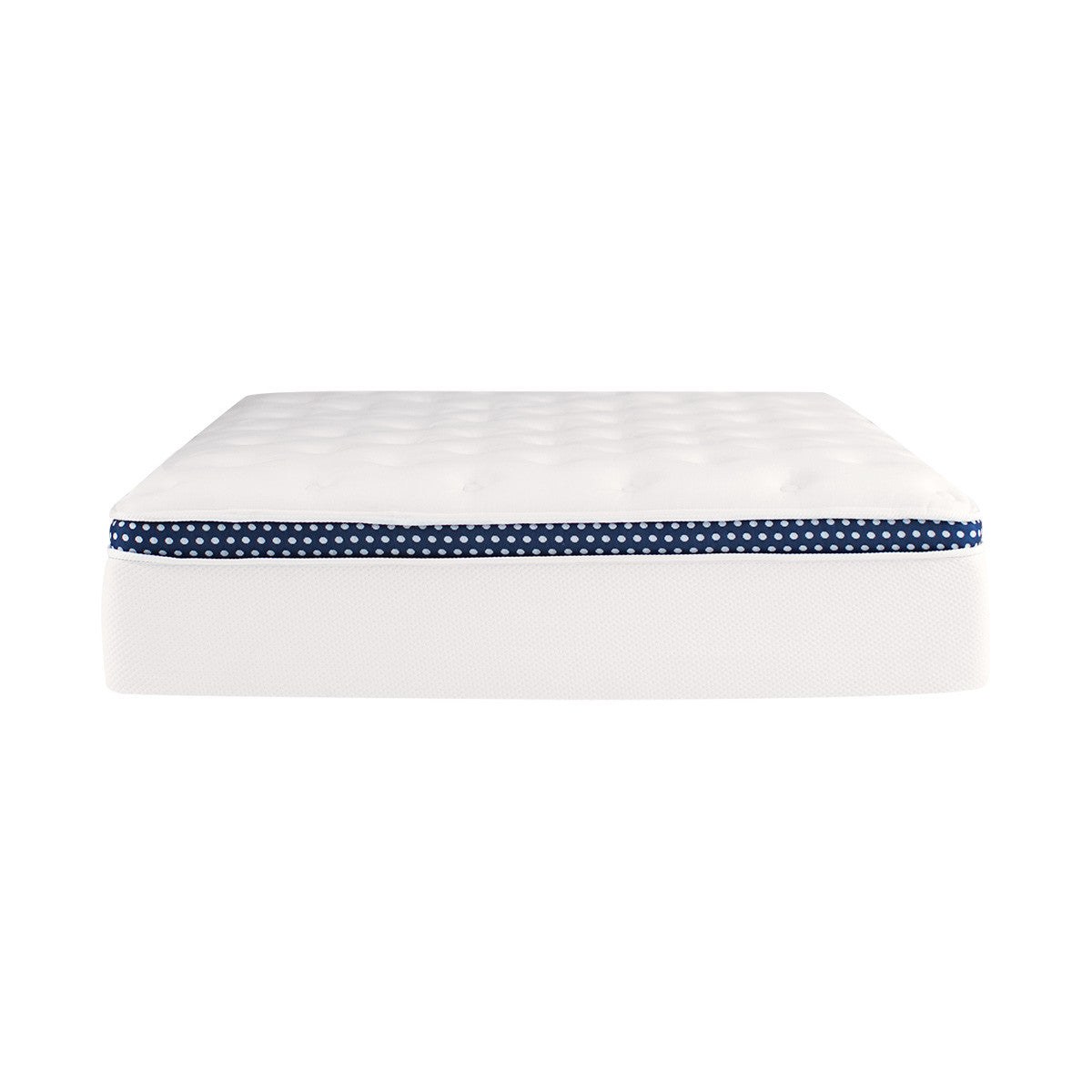
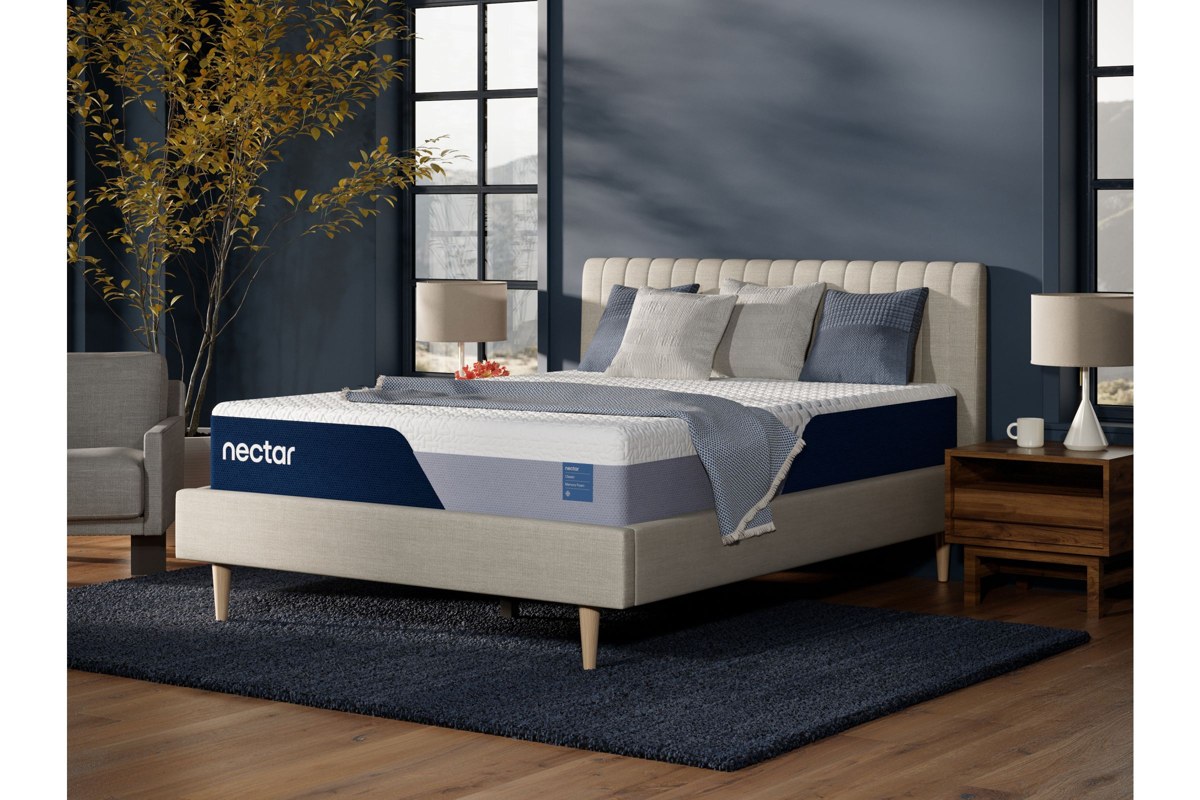
The honest split in this field is service versus sticker price. Saatva takes #1 with the strongest ownership package in the group — a 365-night trial, lifetime warranty, and free white-glove delivery around a proven dual-coil bed — and Helix and WinkBeds close behind sell the same long trials and lifetime or near-lifetime warranties as insurance you pay for in the price. The $699 Resident beds (Nectar at #4, DreamCloud at #7) answer with the same 365-night trial and forever warranty at a third of the money, trading away build sophistication. Buy the top of this list if you keep a mattress a decade; buy the middle if you want the paperwork without the premium.
Questions, answered
How long should a mattress last, and what does the warranty actually cover?
Plan on 7–10 years of full comfort from anything in this top 10. Warranties — 10 years at Purple and Tempur-Pedic, 25 years at Avocado, lifetime at Saatva, WinkBeds, Nectar, DreamCloud, Brooklyn, and Leesa — cover manufacturing defects and abnormal sagging (typically impressions beyond a set depth), not the gradual softening every mattress undergoes. A lifetime warranty is generous protection against defects; it is not a promise the bed feels new forever.
Hybrid or memory foam — which should I buy?
Hybrids (Saatva, Helix, WinkBed, Brooklyn, Avocado, DreamCloud, TEMPUR-Adapt Medium Hybrid) use a coil support core: they sleep cooler, bounce more, and have firmer edges — better for heavier sleepers, couples, and anyone who changes position often. All-foam beds (Nectar, Leesa) isolate motion better and hug closer, at the cost of warmth and edge support. Purple's GelFlex Grid is the exception that proves the rule: foam-free, instantly responsive, and temperature-neutral, but with a feel many sleepers find strange.
How firm a mattress do I actually need?
For most back and combination sleepers, “medium-firm” is the safe buy — but brands grade on their own curves. Nectar publishes 6.5/10 for its Classic; DreamCloud markets a firm-leaning feel that testers also read as medium-firm; Avocado's “Medium” tests firmer than either. Side sleepers (especially under 150 lbs) should lean one step softer than the label; stomach sleepers and heavier sleepers one step firmer. When in doubt, buy the longer trial — five of these ten give you a full year.
With constant sales, when is the right time to buy?
At most DTC brands the “sale” price is the real price: Nectar and DreamCloud sit at $699 essentially year-round, and Helix, WinkBeds, and Brooklyn run overlapping promotions with only brief returns to list. The exceptions are Saatva and Tempur-Pedic, whose prices genuinely move around holiday events (trackers recorded the Saatva Classic queen at $1,739–$1,904 during 2026 sales vs. its $2,049 list). If a price is within ~10% of the figures in this ranking, you are looking at the normal street price — buy on fit and trial terms, not on the countdown timer.
Prices are typical US street prices observed during
research and change often — check the retailer for the current price.
ARI may earn a commission from links on this page; commissions never
change a score. See the affiliate
disclosure and methodology.