The verdict
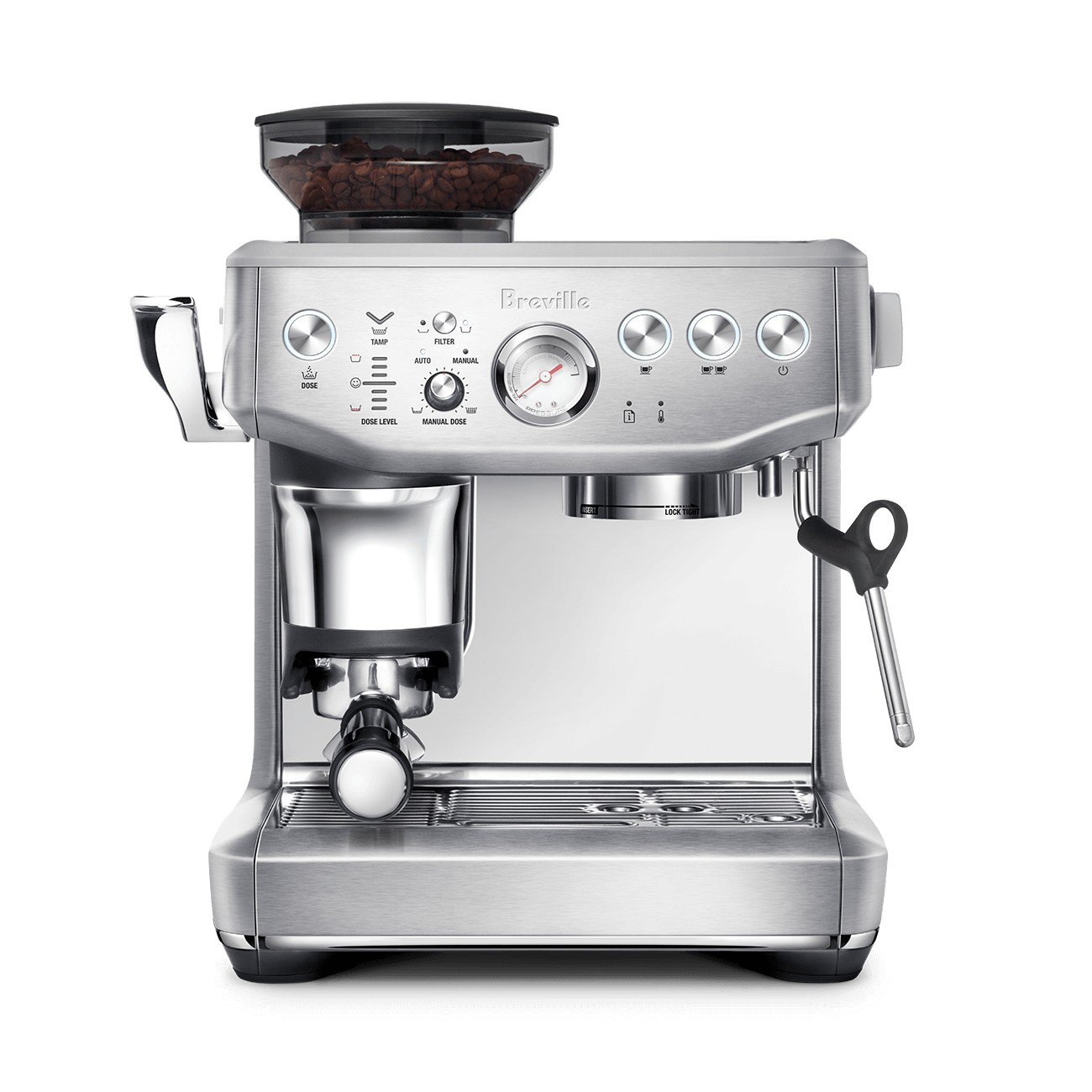
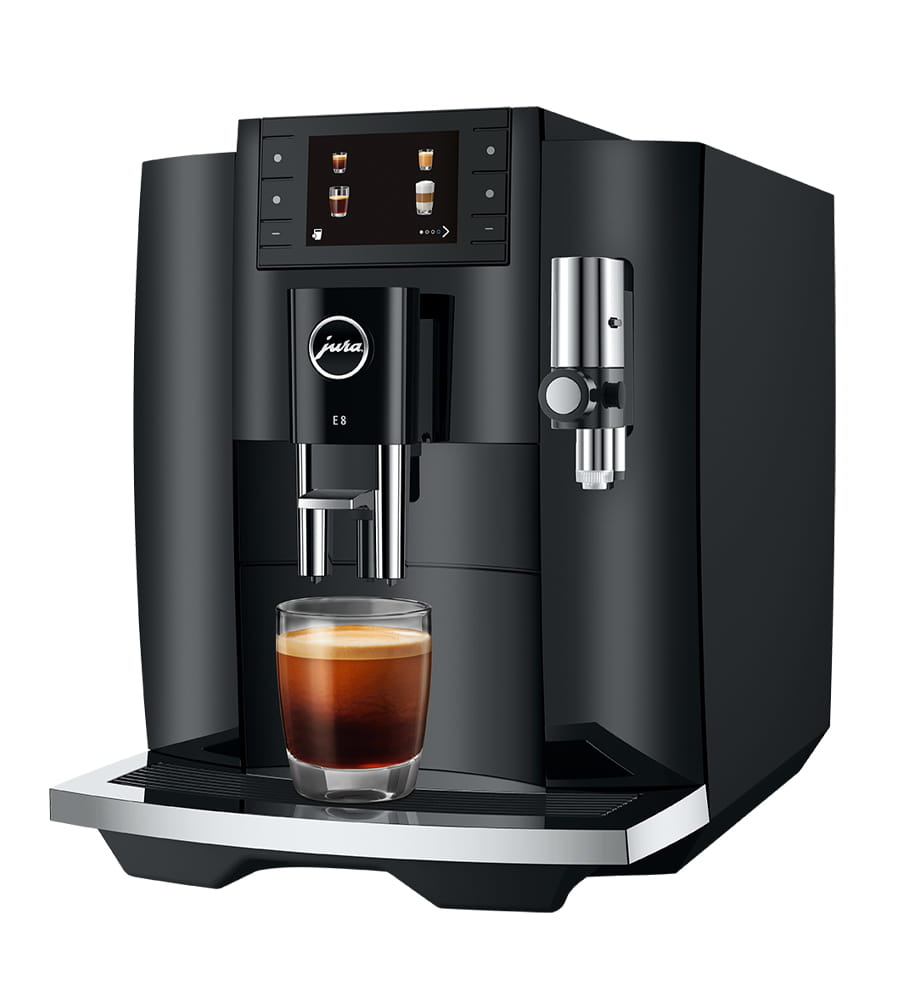
Buy the Breville Barista Express Impress if you want real café espresso at home: its assisted dosing and tamping remove the two skills beginners fail at, and the shots are the best in this test under $1,000. Our Top Pick, the Jura E8, is the fully automatic to beat — press one button and get genuinely excellent espresso and the finest milk foam of any super-automatic here, at a $2,599 price that buys Swiss build and a strong US dealer network. On a budget, the Breville Bambino Plus ($500) plus a good grinder gets you 90% of the Impress's cup quality in half the counter space.
Questions, answered
Semi-automatic or fully automatic — which should I buy?
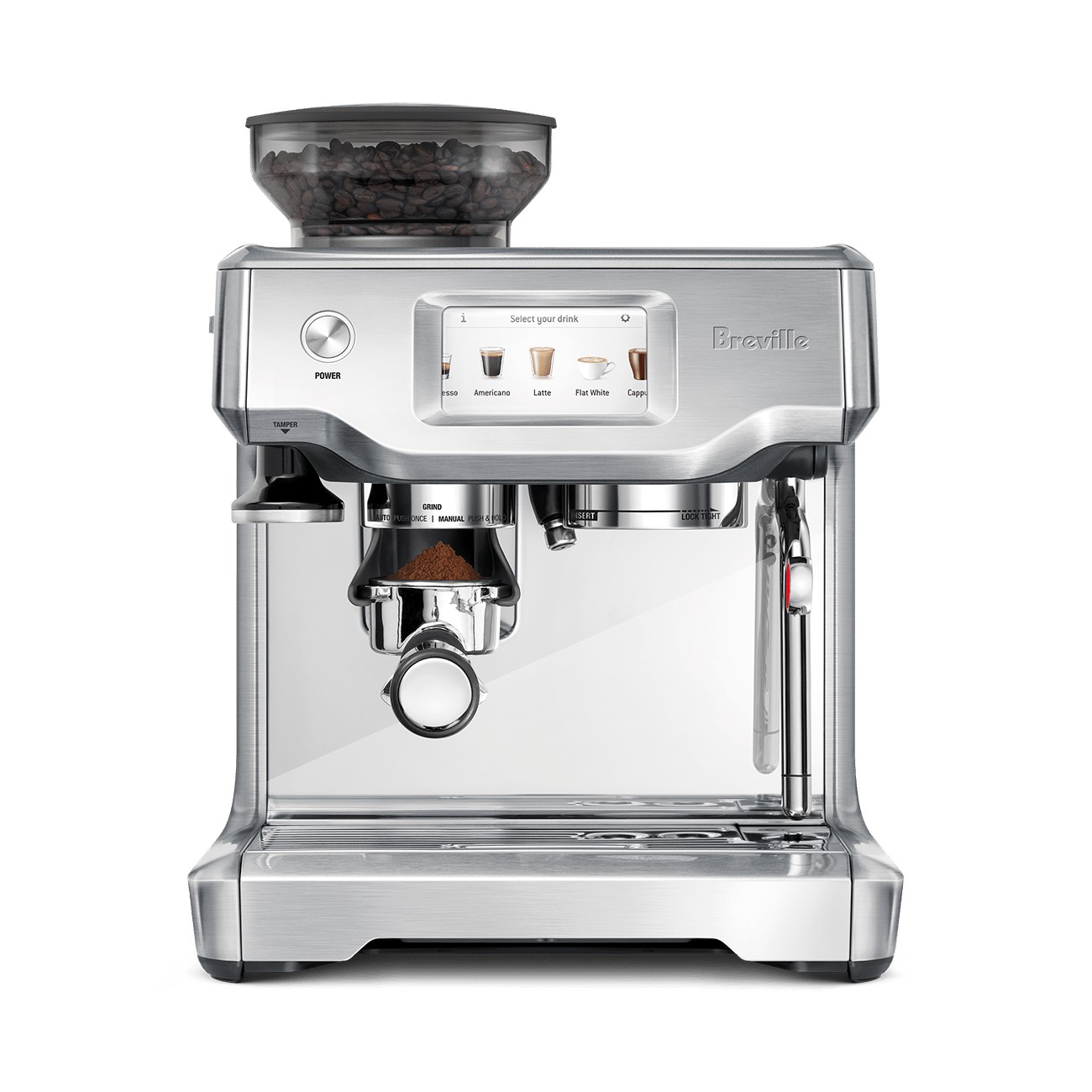
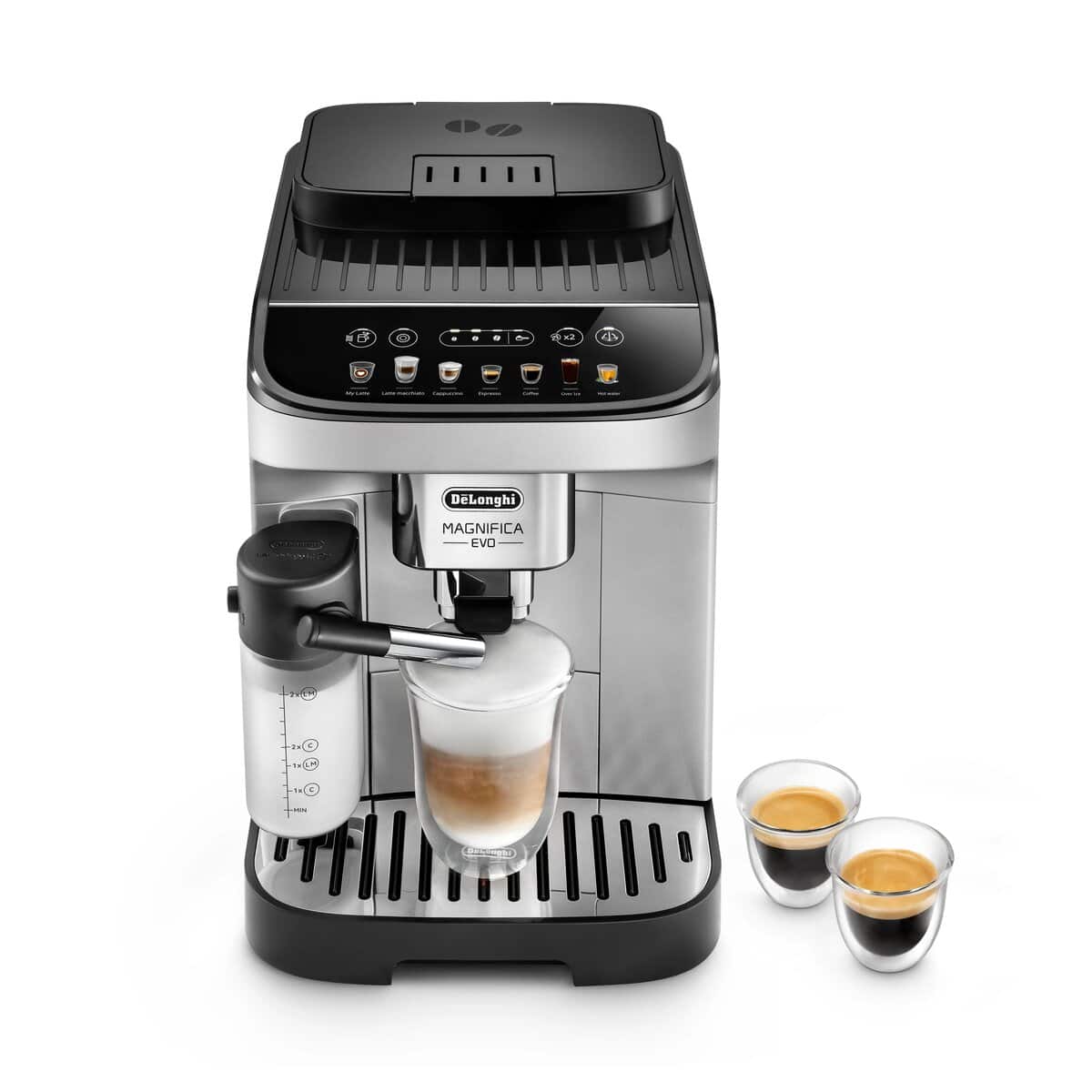
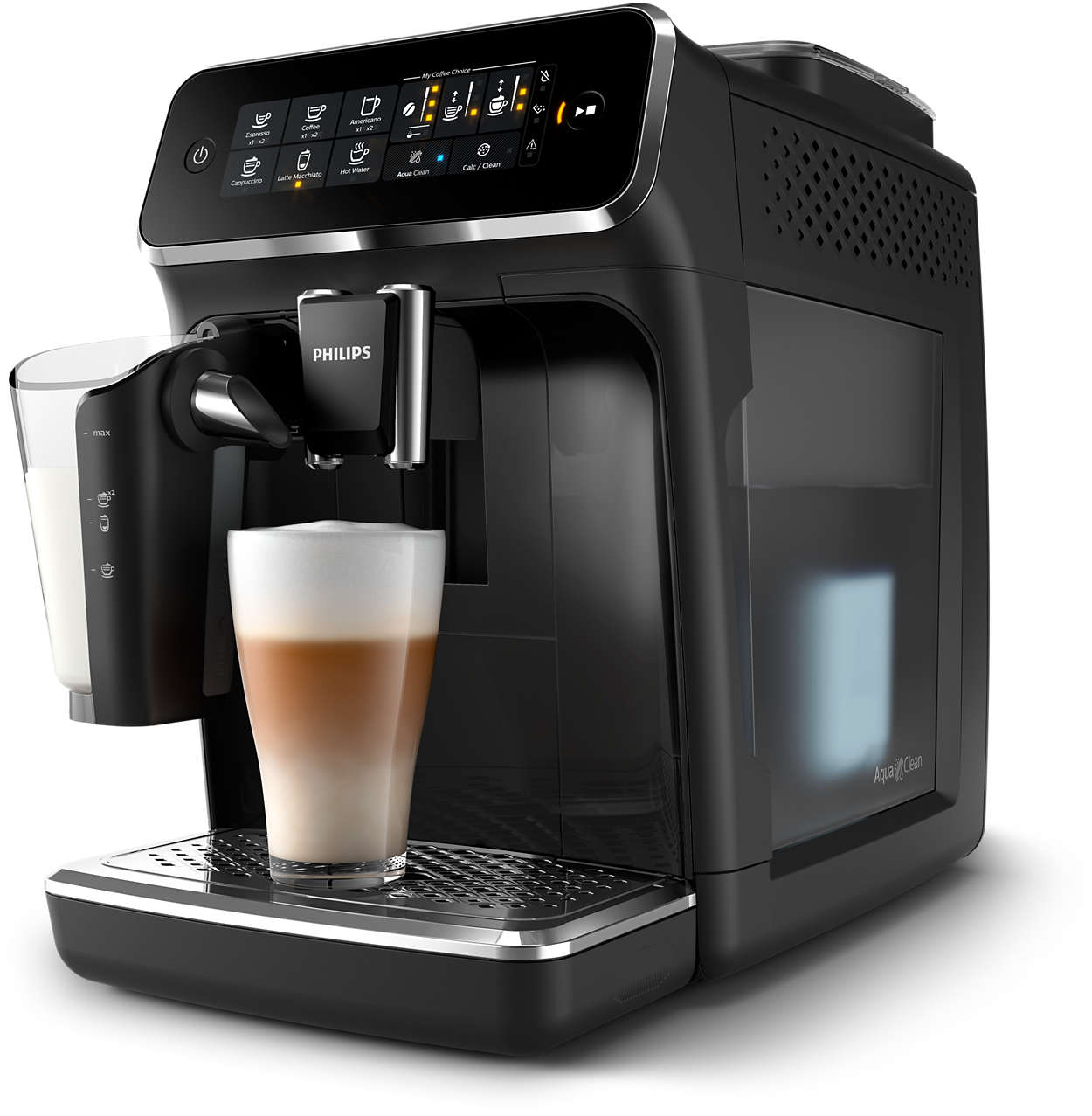
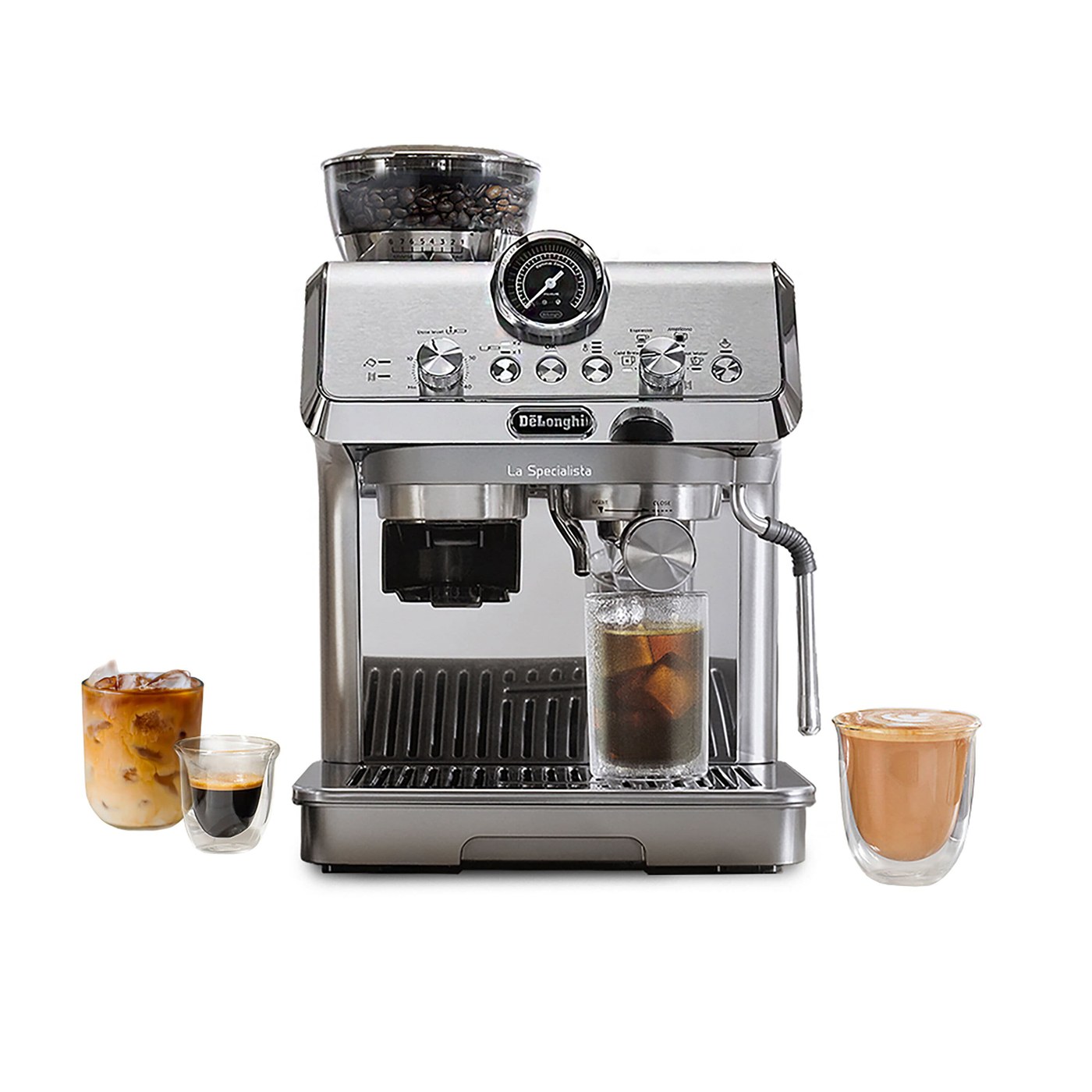
Semi-automatic machines (Breville Barista line, Gaggia Classic, De'Longhi La Specialista) grind, but you dose, tamp, and steam milk yourself; they make the best espresso per dollar and teach real skills. Fully automatic machines (Jura E8, De'Longhi Magnifica Evo, Philips 3200) grind, tamp, brew, and froth at one touch — the cup is a step below a well-pulled manual shot, but it is identical every morning with almost no cleanup. Choose manual for taste and ritual, automatic for speed and consistency.
Does a 15-bar pump mean better espresso?
No. Espresso extracts at roughly 9 bars of pressure at the puck. The '15 bar' figure on nearly every box is the pump's maximum rating, not the brewing pressure. What matters is whether the machine regulates down to about 9 bars during extraction — via an over-pressure valve (Gaggia), a pre-infusion profile (Breville), or a engineered brew unit (Jura). Treat any headline above 15 bars as marketing, not quality.
Is a built-in grinder good enough, or should I buy a separate one?
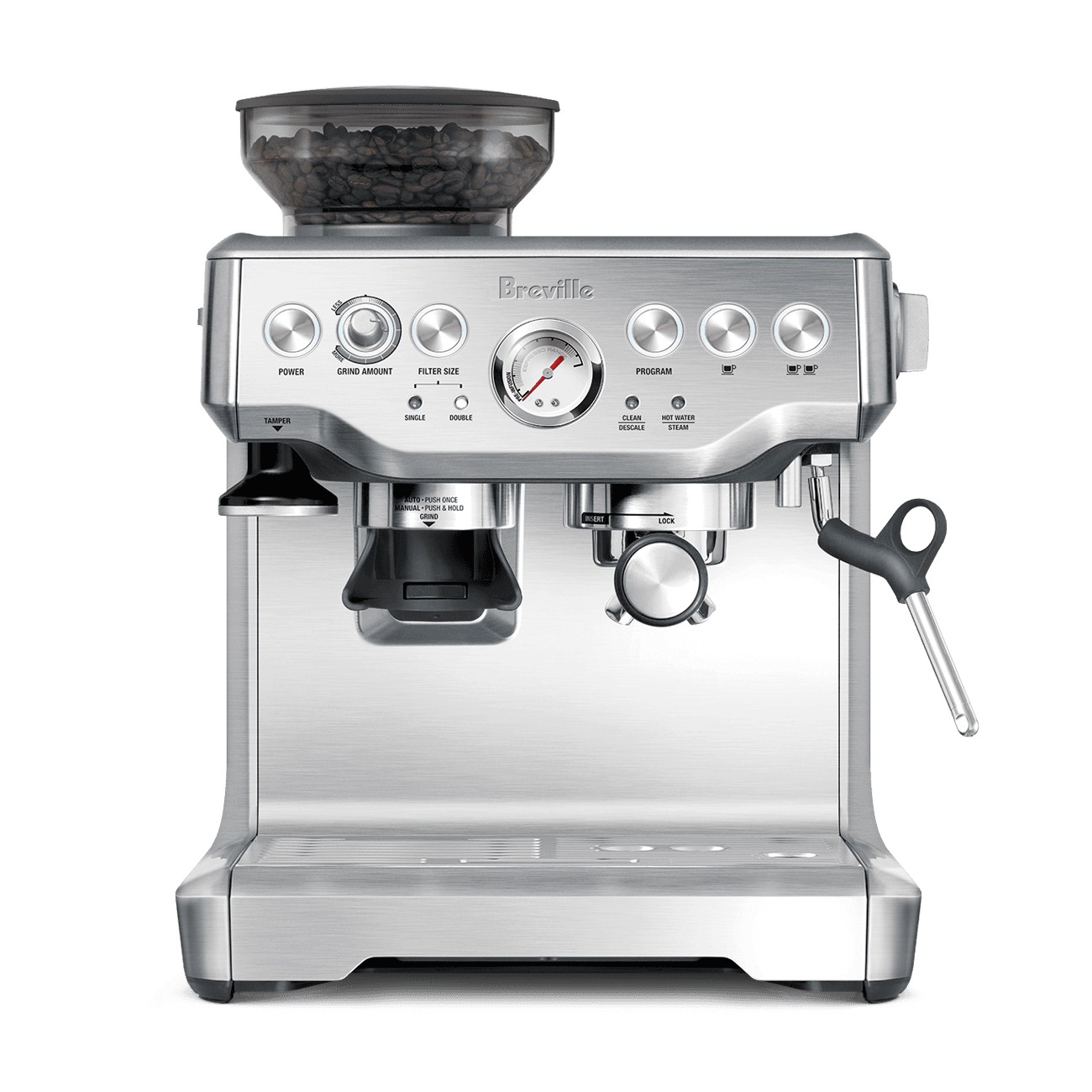
The built-in conical burr grinders in the Breville Barista machines and De'Longhi La Specialista are genuinely capable for medium and dark roasts and save counter space and money. Their limits are stepped or coarse adjustment and grind retention, which show up with light roasts and frequent bean changes. A standalone grinder ($200+) is the single biggest upgrade for any machine here without one — the Bambino Plus and Gaggia Classic both assume you own one.
How much maintenance does an espresso machine need?
Daily: knock out the puck, wipe the steam wand, empty the drip tray. Weekly: backflush or rinse the brew group (fully automatics need their brew unit rinsed and periodically lubricated). Every 2–3 months: descale, unless your machine uses a filter system like Philips AquaClean, which stretches descaling to roughly 5,000 cups. Machines with removable brew groups (De'Longhi, Philips) are meaningfully easier to keep hygienic than sealed units.
Is capsule coffee from the Vertuo Plus real espresso?
Not in the traditional sense. The Vertuo Plus spins the capsule at up to 7,000 rpm and uses centrifugal force plus a barcode-read recipe, rather than forcing water through a compressed puck at 9 bars. The result is a long, crema-topped coffee that tastes good and is completely consistent, but it lacks the body and intensity of pump espresso — and it locks you into Nespresso's Vertuo capsules at roughly a dollar or more per cup.
Prices are typical US street prices observed during
research and change often — check the retailer for the current price.
ARI may earn a commission from links on this page; commissions never
change a score. See the affiliate
disclosure and methodology.