The verdict
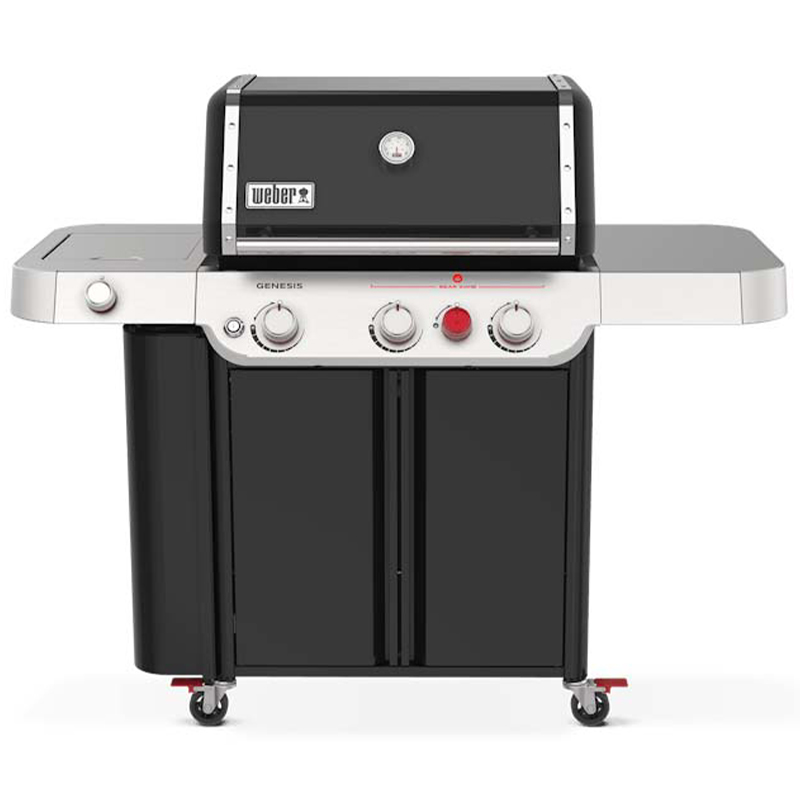
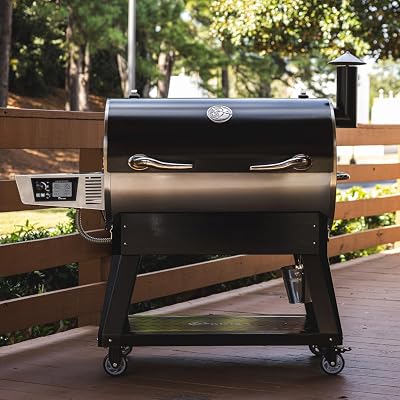
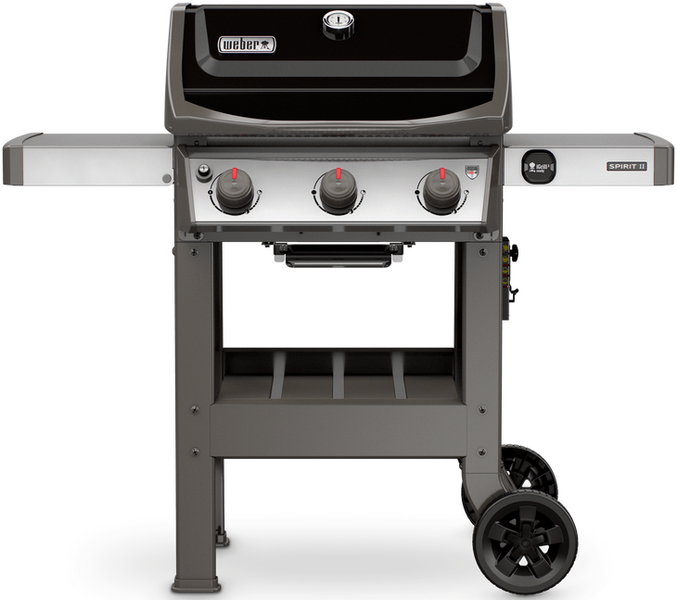
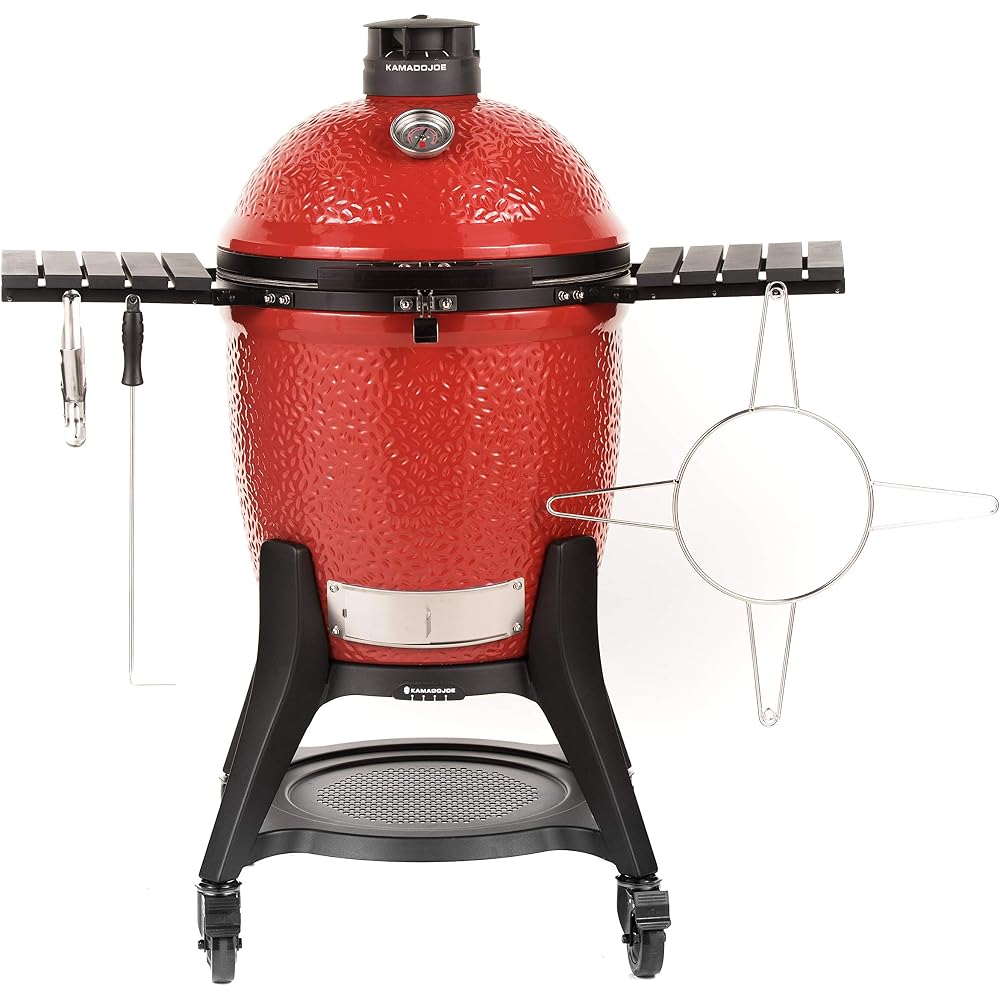
The Weber Genesis E-335 takes #1 as the most complete patio grill we scored: even heat, a real sear zone, a side burner and a 12-year warranty at $1,099. The #3 Weber Spirit II E-310 is the gas grill most households should start with, delivering the same cooking manners and a 10-year warranty for $569. Our AmRank Top Pick is the #2 recteq Flagship 1100: brisket capacity and a stainless build for smokers who want to load it at night and slice at lunch, at $1,105. Charcoal devotees should start with the #4 Kamado Joe Classic III, and anyone testing the charcoal waters with the #10 Weber Original Kettle Premium at $229.
Questions, answered
How many people will a grill on this list actually feed?
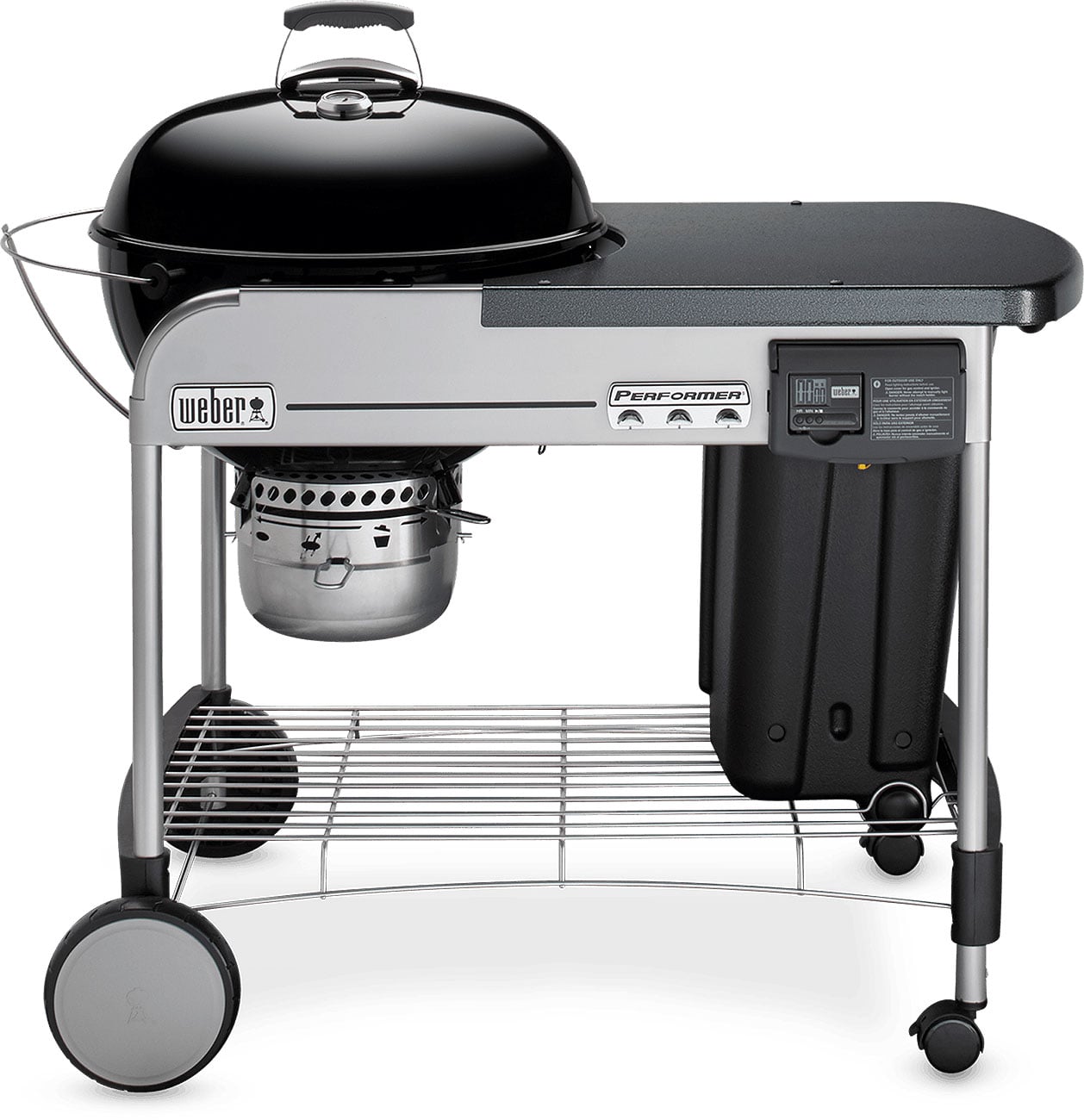
Work from the primary cooking area, not the headline total. Roughly 100 square inches of main grate per person handles burgers, chicken pieces and sides in one pass: the 363 sq in kettles feed 4 to 6 (13 burgers at once on the Weber 22-inch), the 424 to 513 sq in gas grills feed 6 to 8, and the 500-plus sq in models feed 8 to 10. Two exceptions: tiered cookers punch above their footprint — the Kamado Joe's three levels turn 250 sq in of grate into a full meal for six — and one large cut changes everything, because a single pork butt or brisket on a pellet grill feeds 8 to 10 by itself.
Pellet or gas for a Tuesday-night dinner after work?
Gas, and it is not close. A gas grill is lit in a minute, grilling in ten, and shut off the moment the food comes off. A pellet grill needs 10 to 15 minutes to stabilize, burns through a shutdown cycle afterwards, needs a power outlet, and leaves you with ash and a burn pot to vacuum every few cooks. Pellet grills earn their place on weekends, when the cook itself is the event and you want smoke flavor without tending a fire. Households that grill twice a week after work and smoke once a month should buy gas first.
Will my grill rust if it lives outside all year?
Some of it will, and the order is predictable: plated-steel cooking grates first, then painted-steel carts and side shelves, then burner tubes — fastest of all near salt air. Porcelain-enameled steel (the Weber kettles), stainless steel (Napoleon's grids, the recteq's barrel and firepot) and cast aluminum (the PK360, which cannot rust) resist longest. A cover helps, but a cover over a damp grill traps the moisture you were trying to keep out; let the grill dry, then cover it. The parts that fail are almost always replaceable — which is why the warranty terms on each card matter more than the finish.
How should I put a grill away for winter?
Deep-clean it first: old grease and ash are the enemy, because ash plus moisture makes a corrosive paste. On a gas grill, brush and oil the grates, run it hot for 15 minutes, close the tank valve and store the tank upright outdoors — never in a garage or shed. On a pellet grill, empty the hopper and run the auger clear: pellets left in a damp hopper swell, crumble and jam the auger by spring. On a kamado, do one hot burn to dry the ceramics and drive off mold, then leave the vents cracked a fraction so the interior can breathe. Charcoal keeps best in a sealed bin indoors, like the Performer Deluxe's CharBin.
What does fuel actually cost over a grilling season?
Gas is the cheapest heat here: a 20 lb propane refill typically runs $15–$20 and lasts roughly 18 to 25 hours of grilling, so a frequent weeknight cook spends perhaps $60–$100 a season. Pellets run about $15–$20 per 20 lb bag and burn near a pound an hour while smoking, two or more per hour grilling hot — a household that smokes most weekends should budget roughly $150–$250 a year. Charcoal sits between: a 16–20 lb bag at $15–$20 covers four to six kettle cooks. These are typical US prices, not quotes, but the ranking holds anywhere: gas cheapest, charcoal next, pellets priciest per cook — the reverse of the flavor ranking.
Each price was verified on a US seller's page for the exact model and fuel variant named, on October 15, 2026, and is the grill as sold with its standard grate set. Propane tank, pellets, charcoal, cover and assembly are extra unless the maker includes them in the box (the Napoleon's rotisserie kit and the Kamado Joe's cart and shelves are included). Prices are rounded to whole dollars; where sellers disagreed, the price shown is the one at the seller cited in the research notes. Prices are typical US street prices observed during research and change often — check the retailer for the current price. AmRank may earn a commission from links on this page; commissions never change a score. See the affiliate disclosure and methodology.