The verdict
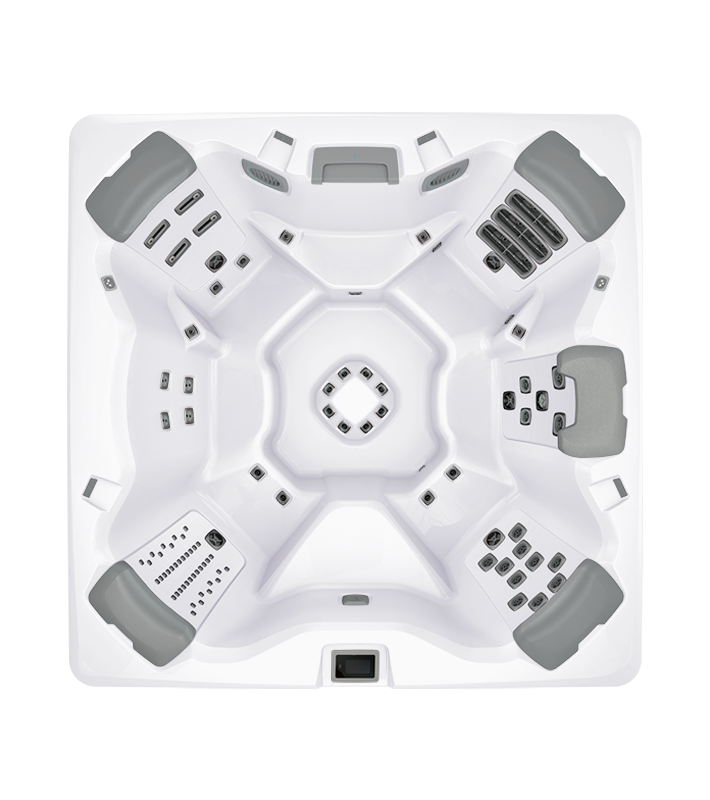
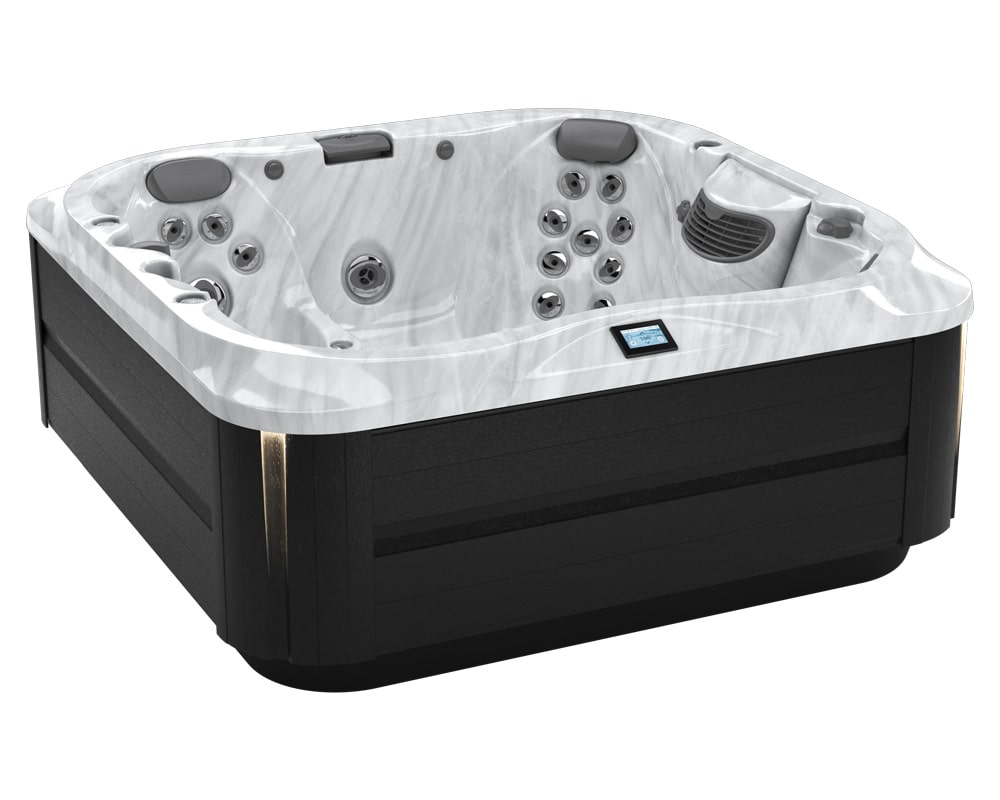
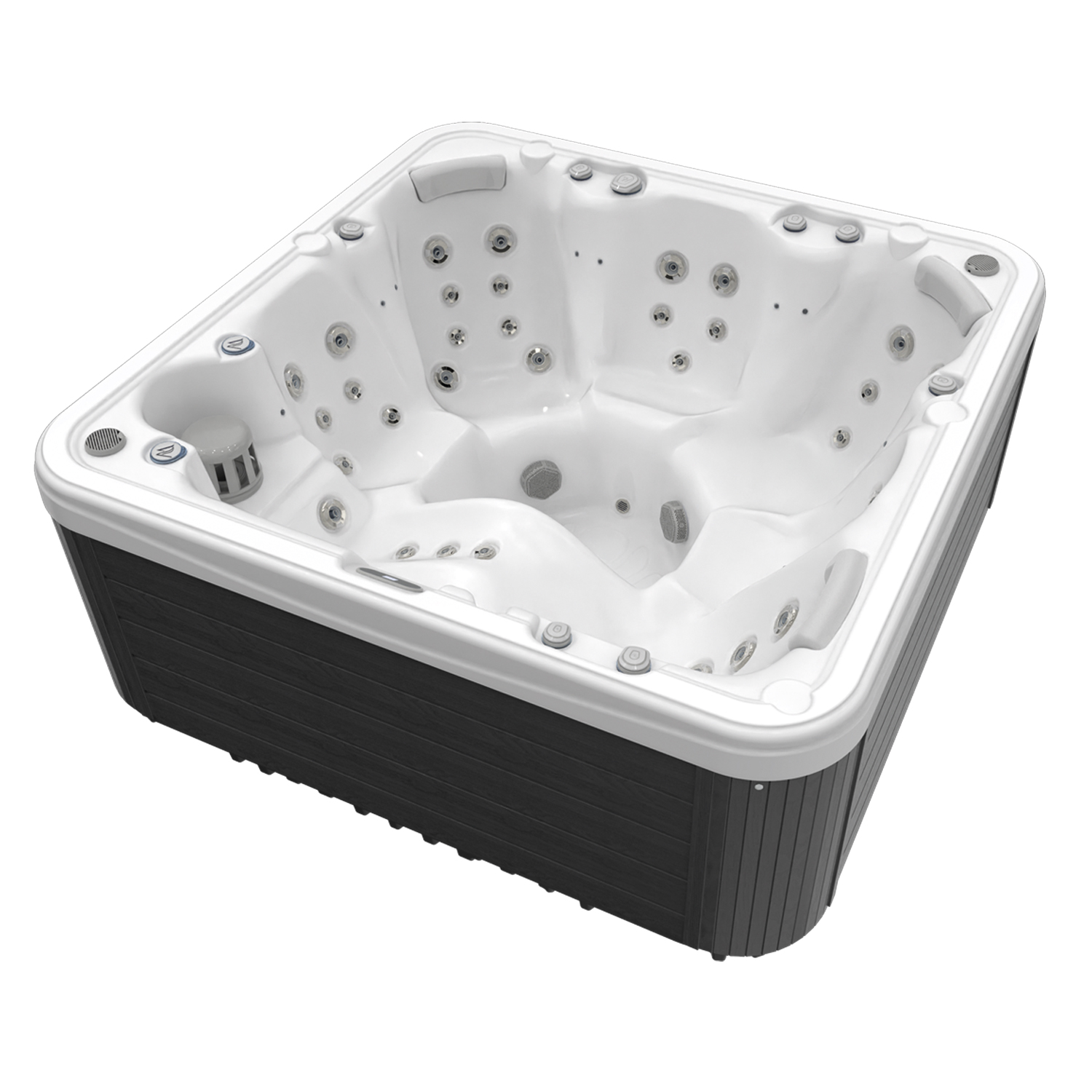
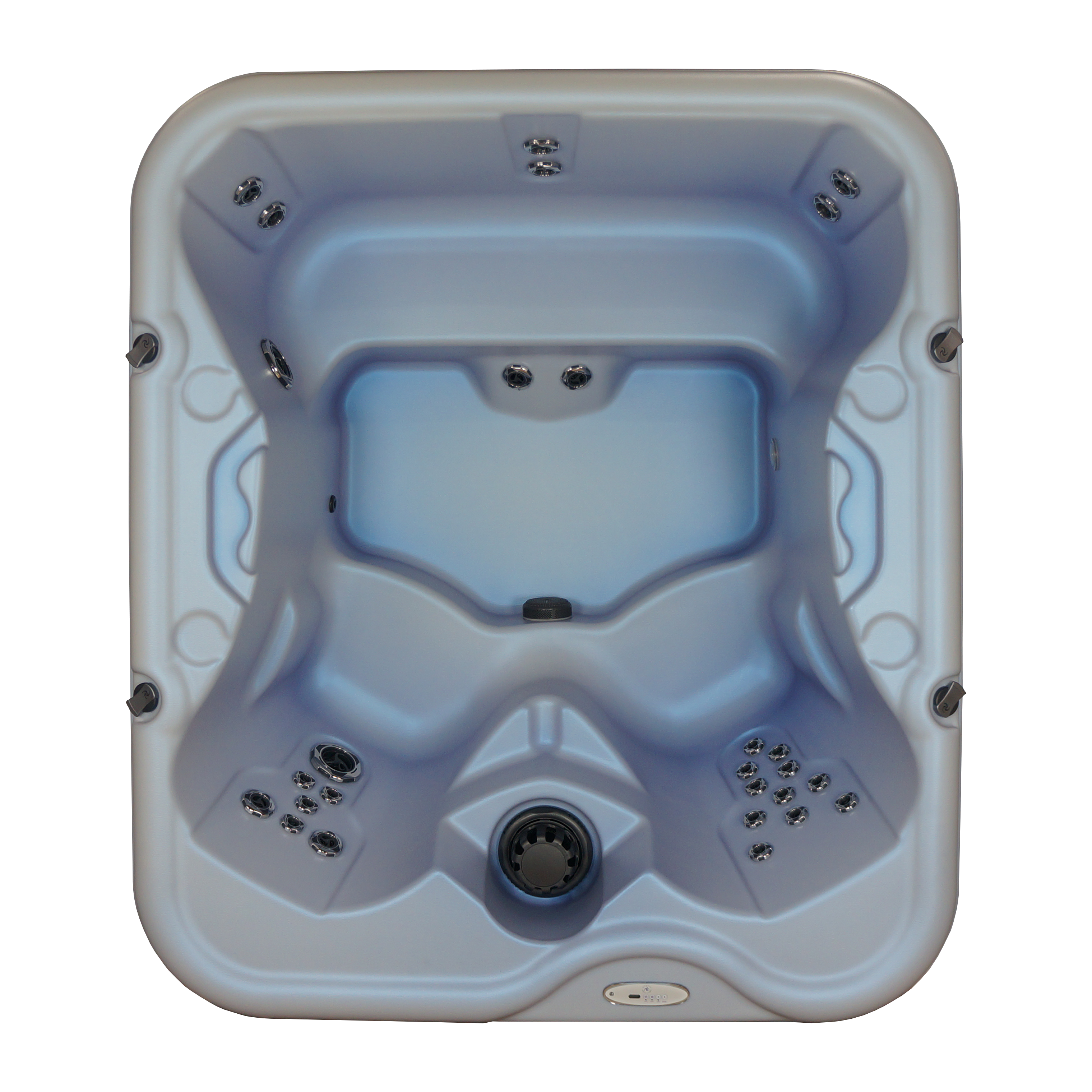
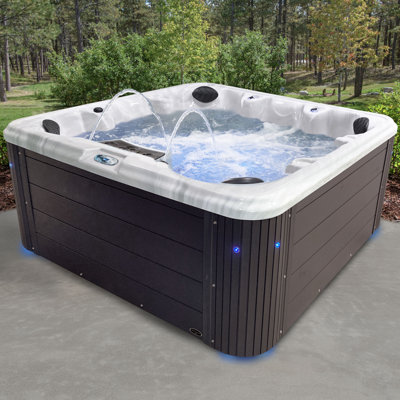
Two different tubs win two different arguments. On points, the Bullfrog Spas A7 (86) is the strongest spa here — swappable JetPak therapy, the deepest warranty stack in the category and genuine eight-person room. Our AmRank Top Pick is the Jacuzzi J-335 (84), close behind on the strength of its lounge seat and water-care system. The Nordic Retreat MS (81) makes the ownership argument: a limited-lifetime shell warranty, Michigan construction and a convertible 110V/240V hookup at $6,799 remove the three biggest ownership risks — shell failure, electrician cost and being stranded without support — for less than half the leaders' price. Below that, the list is a ladder of honest trade-offs: the Wellis Hercules Pro (82) is the value pick among premium acrylics, the Aqualife Insight (79) carries the best verified owner ratings under $6,000, and the Intex Greywood Deluxe (60) closes the ranking as a $720 way to learn whether your household will actually soak before you pour a concrete pad.
Questions, answered
Should I pay an electrician for 240V, or start with a plug-and-play 110V tub?
Start by picturing a January soak, not a July one. A 110V tub cannot run its heater and its jets at full power at the same time, so on a cold night the water temperature slides while you soak, and the first heat-up after a refill can take a day or more. A 240V tub heats several degrees an hour and holds temperature with every jet running. The electrician's bill for a 240V run typically lands in the several-hundred-dollar range and can pass $1,000 when the panel is far from the pad — real money, but paid once. If you are unsure the household will stick with soaking, a convertible tub like the Nordic Retreat MS or the AquaRest Premium 600 is the honest hedge: plug it in now, convert it later, and the tub does not have to be replaced when you decide.
Can my deck hold a filled hot tub?
Probably not without work. Water weighs about 8.3 pounds per gallon, so a mid-size 350-gallon tub carries roughly 2,900 lb of water, plus 600-900 lb of tub and up to 1,000 lb of people — around 4,500-5,000 lb standing on roughly 50 square feet. That is about double the load most residential decks are designed for, and it sits there for years, not for an afternoon. The standard answers are a reinforced deck section designed for the load, or a ground-level concrete or paver pad, which is what most owners end up choosing. The lightweights in this ranking — the 395 lb Nordic and the 295 lb AquaRest — ease the delivery problem, but the water weighs the same in every tub, so check the structure before the tub arrives, not after it is filled.
Can I actually use a hot tub all winter?
A hard-shell 240V tub, yes — that is what it is built for, and winter is when owners say it earns its keep. Full-foam insulation (the Dr. Wellness G-12, the Lifesmart LS700DX) keeps the heat bill sane, and you never drain a hard-shell tub for cold weather; you keep it hot and covered. Plug-and-play 110V tubs struggle in deep cold because their small heaters cannot replace heat as fast as a winter night removes it. The inflatable Intex is the exception in this ranking: it cannot be used in temperatures below 40°F at all, so in most of the US it gets drained, dried and stored from late fall to spring — factor that seasonal rhythm into the $720 bargain.
Lounger or open seating — which will my household actually prefer?
Count the people in your real soak, not the brochure soak. A lounger is wonderful for one person stretching out alone or as a couple — it is a recliner built into the shell, with jets along the legs. But it occupies the space of about two upright seats, so when four to six people pile in on a Friday night, the lounger tub effectively seats fewer, and smaller bathers can find themselves floating off it when the jets run. Households that mostly soak solo or in pairs should take the lounger (the Jacuzzi J-335 or Wellis Hercules Pro); households whose tub is a family gathering spot should take open seating (the Bullfrog A7, the Nordic Retreat MS or the seven-seat Aqualife Insight) and let everyone sit upright.
What does delivery day actually look like?
Less glamorous than the brochure. The tub arrives on its side on a wheeled cart, so the path from the truck to the pad needs to be roughly as wide as the tub is tall — about 34-36 inches of clear width for most models here, more through gates with posts — and reasonably flat. Dealer deliveries (Bullfrog, Jacuzzi, Wellis at Epic, Nordic at Galaxy) usually include placing the tub on your pad; manufacturer-direct tubs may stop at the curb, and a 500 lb Lifesmart at the curb is a problem you want four friends and a plan for. Once placed, you fill it with a garden hose — 250 to 450 gallons takes one to several hours — balance the water, and wait: a 240V tub typically needs the better part of a day to reach 104°F from cold tap water, and a 110V tub can need a full day or more. Plan the first soak for the day after delivery, not that evening.
Prices checked October 15, 2026. Each price is the verified US selling price for the standard configuration on the seller page cited in the research notes, rounded to whole dollars. Dealer prices for the Bullfrog and Jacuzzi include the cover and delivery package stated in each product's notes; manufacturer-direct prices (Lifesmart, AquaRest, the LPI brands) cover the tub with its included cover, with delivery terms stated per product. The Dr. Wellness and Hudson Bay prices are LPI's after-rebate prices for cash, check or card buyers; financed prices are higher and are stated in the notes. Electrical work, site pads and steps are extra where noted. Prices are typical US street prices observed during research and change often — check the retailer for the current price. AmRank may earn a commission from links on this page; commissions never change a score. See the affiliate disclosure and methodology.