The verdict
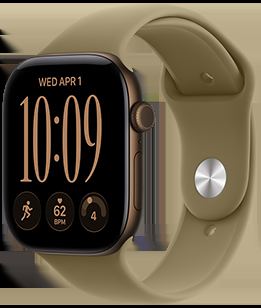
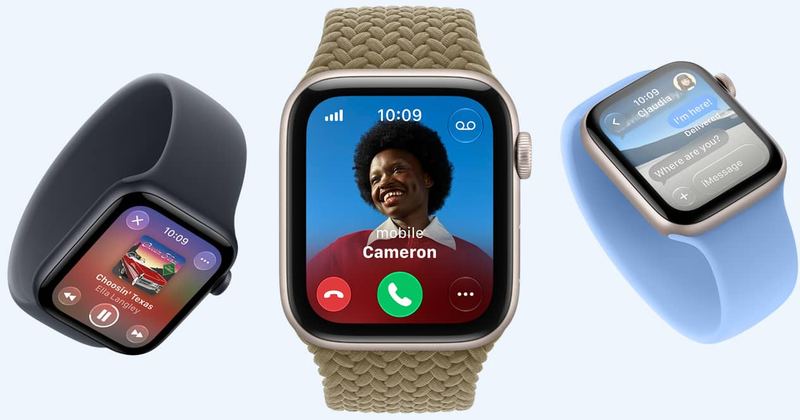
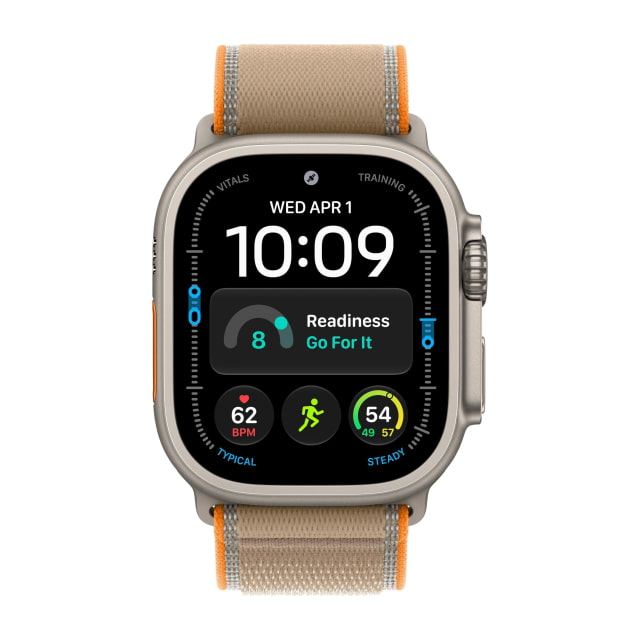
The Apple Watch Series 12 leads this field for iPhone owners: the densest health sensing in the ranking — heart rate every five seconds, ECG, Blood Oxygen, hypertension and sleep apnea notifications feeding a daily Readiness score — on the brightest mainstream case, held back from a higher score only by its one-day battery and a satisfaction component scored conservatively because its Amazon owner aggregate could not yet be isolated. The Samsung Galaxy Watch9 is the Android counterpart, with the deepest subscription-free health suite and the same conservative-satisfaction asterisk, plus a warranty conflict flagged below. Garmin's Venu 4 is the pick for buyers who refuse both a nightly charge and a phone-brand lock-in, the SE 3 is the value standout at $239.99 with the deepest owner-rating base in the ranking, and the Withings ScanWatch 2 answers a different question entirely — a real analog watch with an FDA-cleared ECG and a 35-day battery. The honest asterisks: three ranked models (Series 12, Galaxy Watch9, Balance 3) had no isolable Amazon owner aggregate at scoring time, two more (Pixel Watch 5, Watch Ultra 4) had ratings without isolable counts, and Samsung's own documents support a one-year warranty despite the two-year headline on its Amazon listing.
Questions, answered
Does a smartwatch need a phone from the same brand?
Sometimes. Every Apple Watch ranked here pairs only with an iPhone. Samsung's watch works with any Android phone, but its ECG and blood-pressure features need a Galaxy phone. Google's watch is Android-only. The Garmin, Amazfit and Withings models ranked here work with both iPhone and Android, which is one reason they suit households that switch phone brands.
How long do smartwatch batteries actually last?
The field splits in two. The big-platform watches run one to two days per charge — 18 to 30 hours with the display always on, up to 50 on the largest model here. The fitness-first watches run one to five weeks: 11 to 15 days from the Garmins ranked here, 21 days from the Amazfit, and up to 35 days from the hybrid Withings. Every figure in this ranking comes from the maker's own published testing, and GPS workout tracking always drains a battery far faster than the headline number suggests.
Which health features are medical-grade and which are wellness?
ECG apps and AFib detection sit at the regulated end: the Withings ranked here carries FDA clearance for its AFib detection, and the ECG apps on the Apple, Samsung, Google and Garmin models operate under their own clearances. Sleep apnea notifications and hypertension notifications are screening tools that prompt a conversation with a doctor, not diagnoses. Scores like readiness, energy and body battery are wellness estimates built from heart rate, variability, sleep and activity — useful for pacing a day, not medical evidence.
Does a smartwatch need a subscription?
Mostly no. Garmin, Amazfit and Samsung deliver the health and training data their watches collect without a monthly fee, and Apple charges nothing for its health features. The exception ranked here is Google's advanced coaching, which sits behind Google Health Premium at $9.99 a month after a three-month trial. Cellular watch models are the other recurring cost: the carrier line fee is separate from the watch price and typically runs about $10 a month.
What warranty do smartwatches carry?
One year is the US norm and is what most makers ranked here publish in their own warranty documents. The exception is the Withings, whose US product page publishes a two-year quality guarantee. Read the maker's document, not the retail listing: one ranked model's Amazon listing advertises two years while the maker's own warranty document says one, and the ranked copy follows the document, with the conflict flagged in the research dossier.
Prices are typical US street prices observed during research and change often — check the retailer for the current price. AmRank may earn a commission from links on this page; commissions never change a score. See the affiliate disclosure and methodology.