The verdict
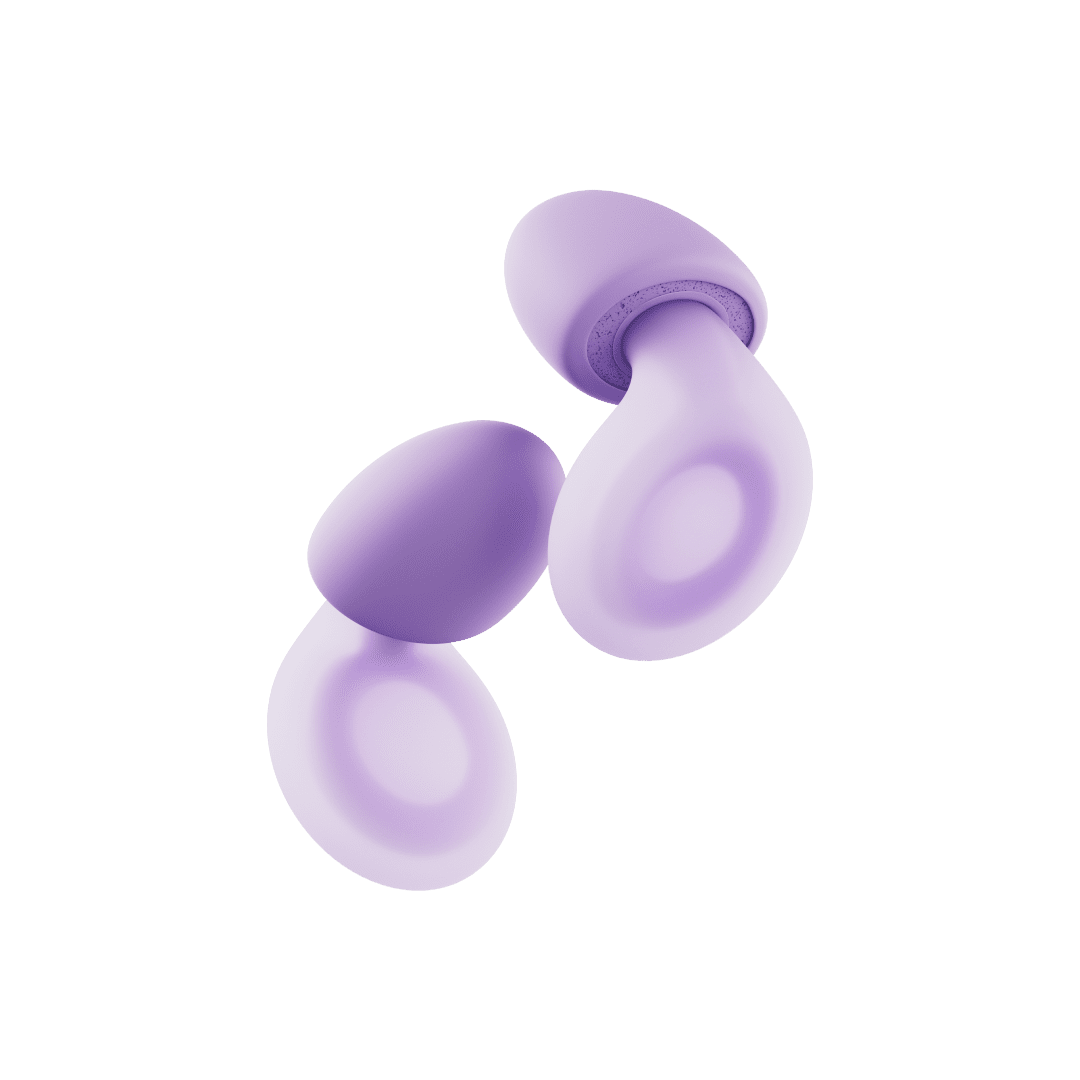
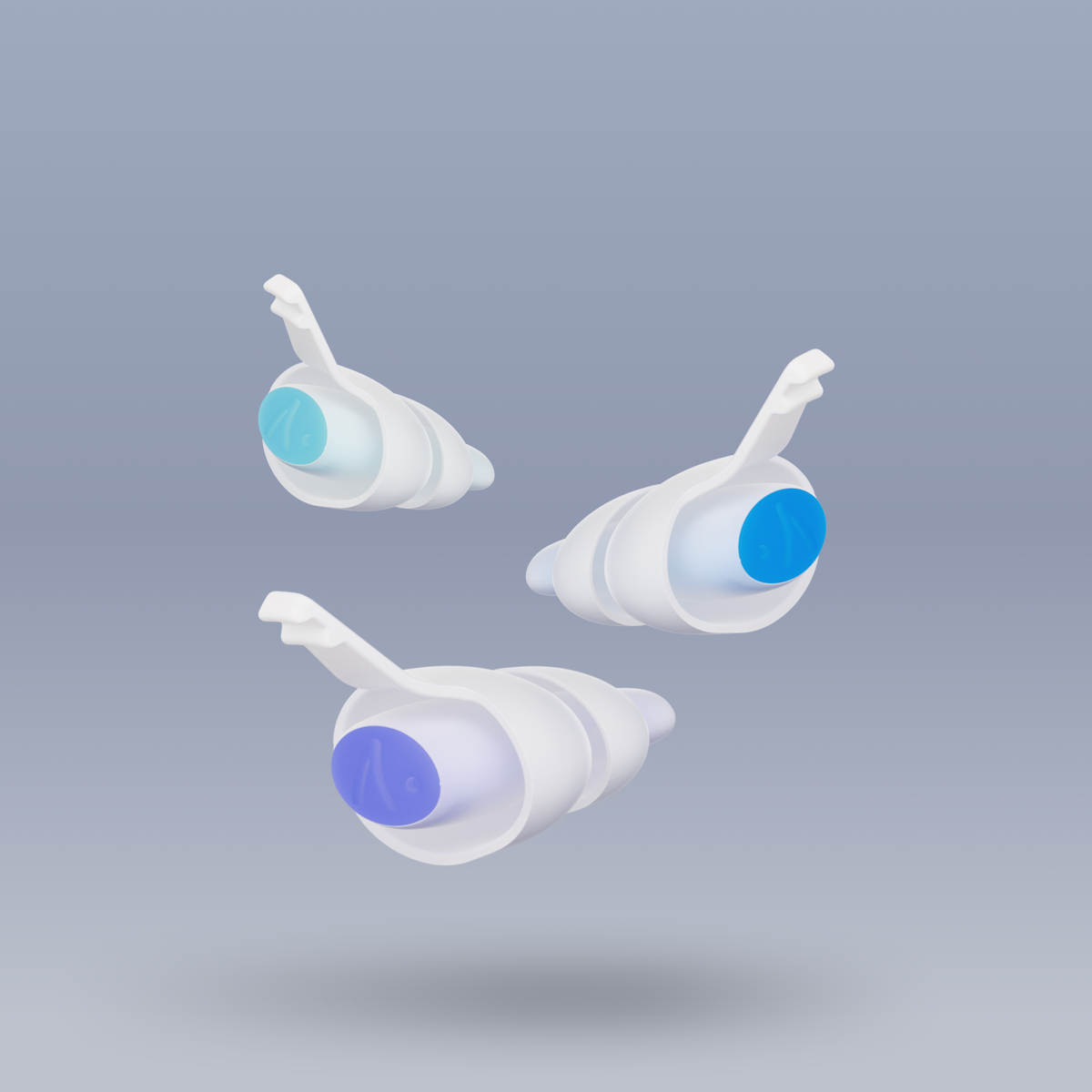
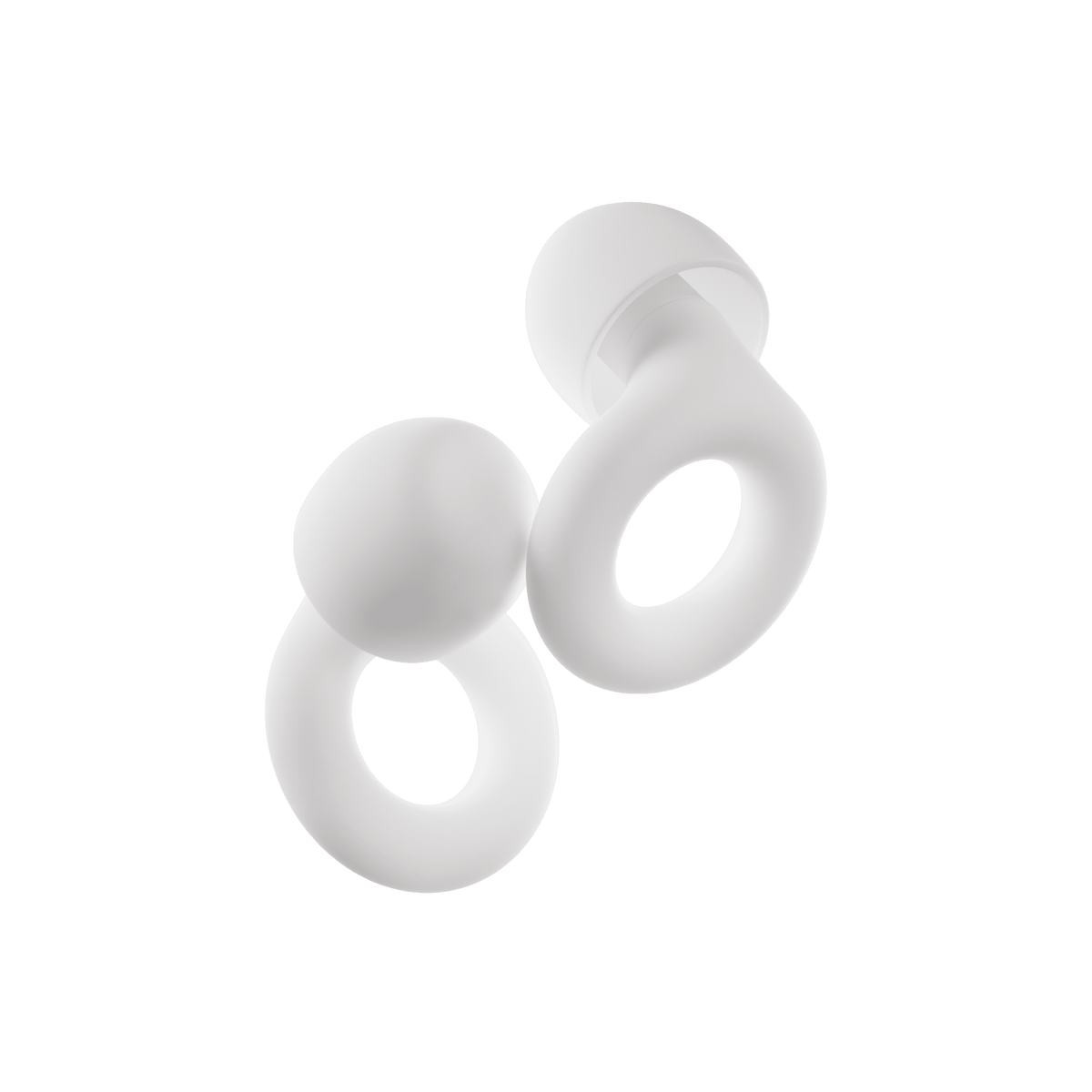
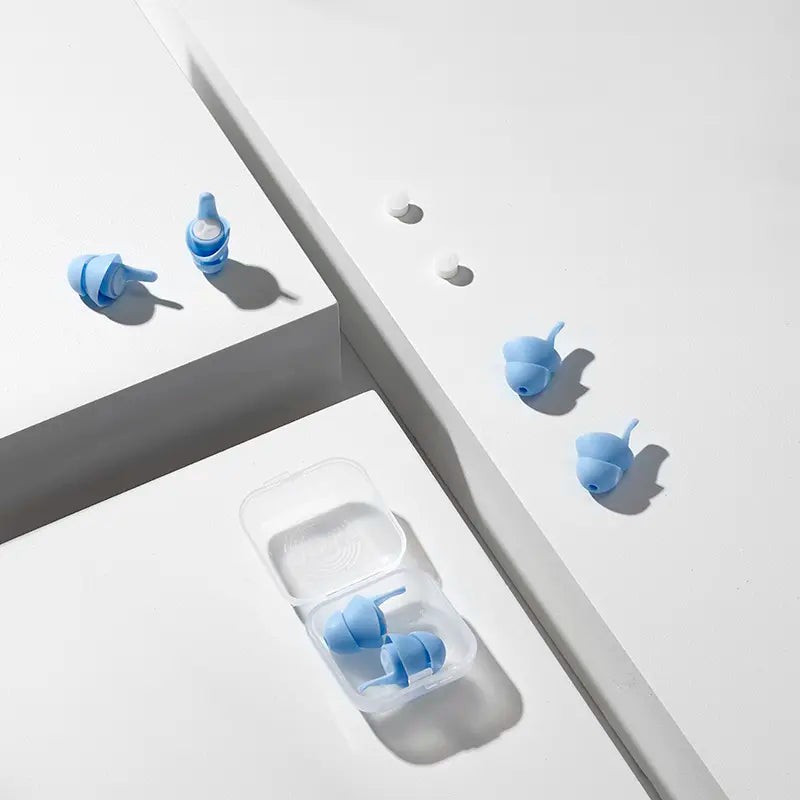
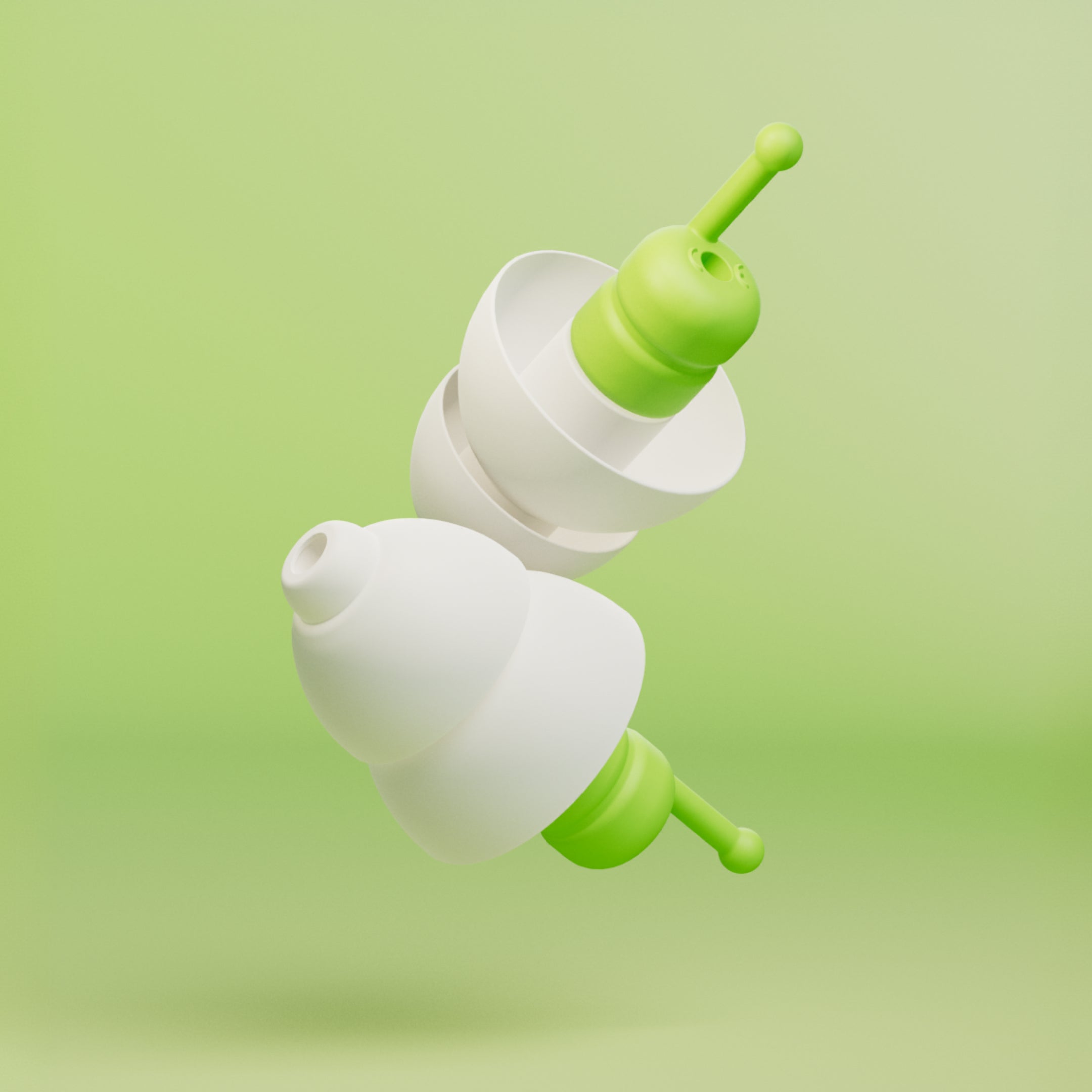
If you buy one pair of earplugs from this list, buy the Loop Dream (91): it is the only design here built solely for sleep — flush for side sleepers, two tip styles in four sizes, the strongest lab rating in Loop's line, and a 100-day trial behind a $50 price. If that price stings, the Alpine SleepDeep (89) is the alternative: an oval, sized, reusable plug with a 27 dB (SNR) lab figure for $16. On a strict budget, Mack's Pillow Soft (82) seals over the ear for $7 and never enters the canal at all.
Questions, answered
What does an NRR or SNR rating actually mean — and how much will I really get?
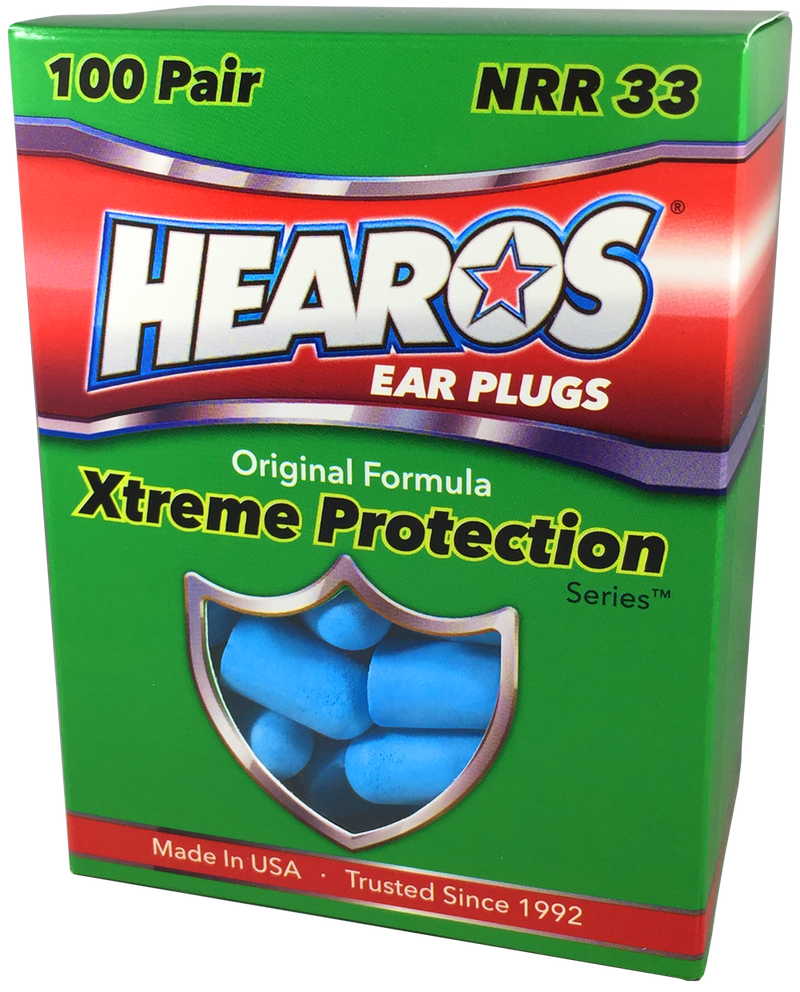
NRR is an EPA laboratory rating and SNR is its European counterpart; both are measured under ideal, expert fit. They are not a promise for a bedtime insertion. A common rule of thumb is to derate: for NRR, subtract 7 and halve the remainder to estimate real-world protection, so an NRR 33 foam plug may deliver roughly 13 dB on a typical ear. Fit is everything — roll foam thin, pull the ear up and back, and insert deeply, or size reusable tips correctly, before judging any plug by its number.
Will earplugs block out a snoring partner completely?
No — and any listing that promises total silence is overselling. Snoring is loud, low-frequency and partly transmitted through bone conduction, which no canal plug can stop. A well-fitted high-NRR foam plug will usually turn heavy snoring into a muffled background sound, and the reusables here will soften it further still less. Many couples pair plugs with a masking sound — a fan or white-noise machine fills the gaps the plug leaves, and the combination works better than either alone.
How often should I replace or clean earplugs?
Foam disposables: a few nights at most, and discard immediately when they are soiled, torn or stop expanding — they cannot be washed without ruining the foam. Silicone putty (Mack's Pillow Soft): reuse up to five times per the maker, until it is dirty or no longer sticky. Reusables (Loop, Alpine, EarPeace, Happy Ears): rinse or wash with mild soap and water about weekly, dry fully, and store them in their case; replace when the material tears, hardens or stops sealing — typically months to about a year of nightly use.
Will I still hear my alarm or a smoke detector?
Usually, yes for an alarm — plugs reduce volume, they do not create silence, and filter-style plugs (Alpine SleepSoft) are designed to keep alarms comparatively audible. But 'usually' is not a safety guarantee: a heavy sleeper in high-NRR foam can sleep through a quiet alarm. Test your alarm on a weekend morning first, set it louder or place it closer, and if you rely on smoke or carbon-monoxide alarms, consider a vibrating or strobe alarm on the nightstand rather than trusting any earplug.
Prices shown are for the standard retail pack as sold; the pair count or set contents are stated on each product. Prices are typical US street prices observed during research and change often — check the retailer for the current price. AmRank may earn a commission from links on this page; commissions never change a score. See the affiliate disclosure and methodology.